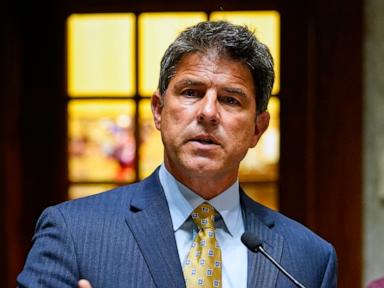
Republican Indiana Senate President Pro Tem Rodric Bray is stepping down following a primary season that punished GOP lawmakers who resisted Trump's redistricting demands in the state. The move comes after six Republican incumbents who voted against the party's congressional map lost their primary elections.
Bray led the Indiana Senate during the redistricting fight, when Trump pressed Republicans to redraw district lines to benefit GOP candidates. The six GOP senators who opposed the map faced primary challengers and were defeated, sending a clear message about Trump's influence over Republican legislative priorities.
The redistricting battle in Indiana reflected broader tension between Trump and establishment Republicans over how aggressively to reshape congressional districts. Trump allies pushed for maps that would maximize Republican seats, while some Indiana GOP leaders expressed concerns about the approach. That disagreement became costly for those who broke ranks.
Bray's decision to leave his leadership position signals the depth of the primary fallout. His departure removes a key moderate voice from the Indiana GOP caucus and suggests Trump's wing of the party has consolidated power in the state legislature. The losses of six incumbents demonstrated that primary voters in Indiana backed Trump's redistricting vision over that of sitting legislators.
The Indiana situation mirrors dynamics playing out nationwide, where Trump has used his political endorsement and fundraising muscle to reward allies and punish critics within the Republican Party. Primary challenges to sitting Republicans have intensified loyalty to Trump's policy agenda, particularly on redistricting, where the former president views favorable maps as essential for GOP gains in Congress.
Bray's exit removes one of the few remaining Republican leaders in Indiana who might have offered pushback on Trump-backed initiatives. His successor will likely face pressure to align more closely with Trump's preferences on future redistricting issues and other key legislative matters. The shift reflects Trump's expanding control over Republican-controlled state legislatures.