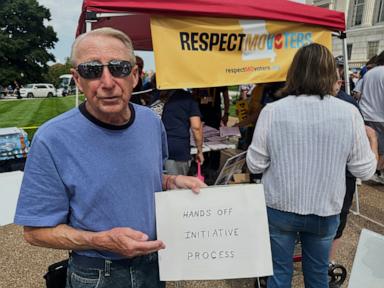
Missouri's voters face a ballot measure that would dramatically restrict the state's amendment process, establishing what supporters claim would be the nation's toughest standard for citizen-led constitutional changes.
The proposal raises the threshold for passing citizen-initiated amendments from a simple majority to 60 percent approval. Currently, Missouri requires only 50 percent plus one vote to amend its constitution through ballot initiatives, allowing voters to bypass the legislature entirely. The new standard would demand supermajority support, placing Missouri among the most restrictive states for direct democracy.
Missouri Republicans backing the measure argue that higher thresholds protect the constitution from frequent, impulsive changes. The GOP-controlled legislature views the current system as too permissive, enabling progressive groups to reshape policy through ballot initiatives when legislative efforts fail. Recent ballot measures have expanded Medicaid, protected abortion access, and raised the minimum wage in Missouri despite Republican opposition.
Democrats and voting rights advocates oppose the change as an attack on direct democracy. They contend the 60 percent requirement would entrench the status quo and disadvantage grassroots movements lacking wealthy donors. Passing statewide initiatives already demands significant resources for signature collection and campaigning. A supermajority requirement adds another substantial barrier.
The measure reflects national tension over amendment processes. Republican-controlled states increasingly adopt higher thresholds for ballot initiatives, while Democratic-leaning states maintain lower bars. The debate centers on whether constitutional amendments represent sacred protections requiring broad consensus or policy tools that majority rule should govern.
Missouri voters will decide whether preserving legislative authority over constitutional change outweighs concerns about limiting direct democracy. The outcome affects not just amendment procedures but broader questions about which institution, legislature or voters, should control constitutional evolution.