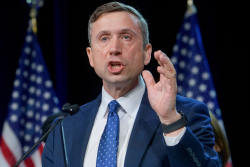
# DNC Chair Jaime Harrison Retains Support Amid Democratic Pressure
Democratic National Committee Chair Jaime Harrison is staying put despite internal party pressure to step aside. The move reflects a broader sentiment among Democrats that infighting over leadership diverts attention from kitchen-table issues voters actually care about.
Harrison, a South Carolina operative who took the helm in 2021, has faced criticism from some party members questioning his effectiveness. The challenge intensified after recent electoral setbacks prompted calls for fresh leadership. However, allies argue that removing Harrison now would consume party resources and messaging capacity at a critical moment.
The core party argument centers on voter priorities. Democrats contend that the public remains fixated on the affordability crisis, grocery prices, rent, and healthcare costs. Internal battles over who chairs the DNC rank far below these concerns in voter consciousness. Continuing to litigate Harrison's tenure wastes political capital needed to frame narratives around kitchen-table economics heading into the next election cycle.
Harrison's retention signals party leadership decided that stability matters more than personnel changes. The DNC chair role typically operates behind the scenes, overseeing fundraising, data infrastructure, and campaign coordination. In that operational capacity, Harrison has maintained committee functions and kept the party apparatus running.
Democrats familiar with the situation note that replacing a sitting chair creates weeks of disruption. New leadership requires learning curves on staff relationships, vendor networks, and strategy implementation. During a period when Republicans control the White House and have momentum, that disruption carries real costs.
The decision essentially reflects Democratic leadership's calculation that the party's energy should flow toward attacking inflation and contrasting their agenda with Republican priorities, not toward settling internal scores. Whether Harrison's tenure proves effective long term remains an open question. But for now, the party has chosen unity over upheaval, betting that voters punish poor governance and leadership, not internal organizational disputes.