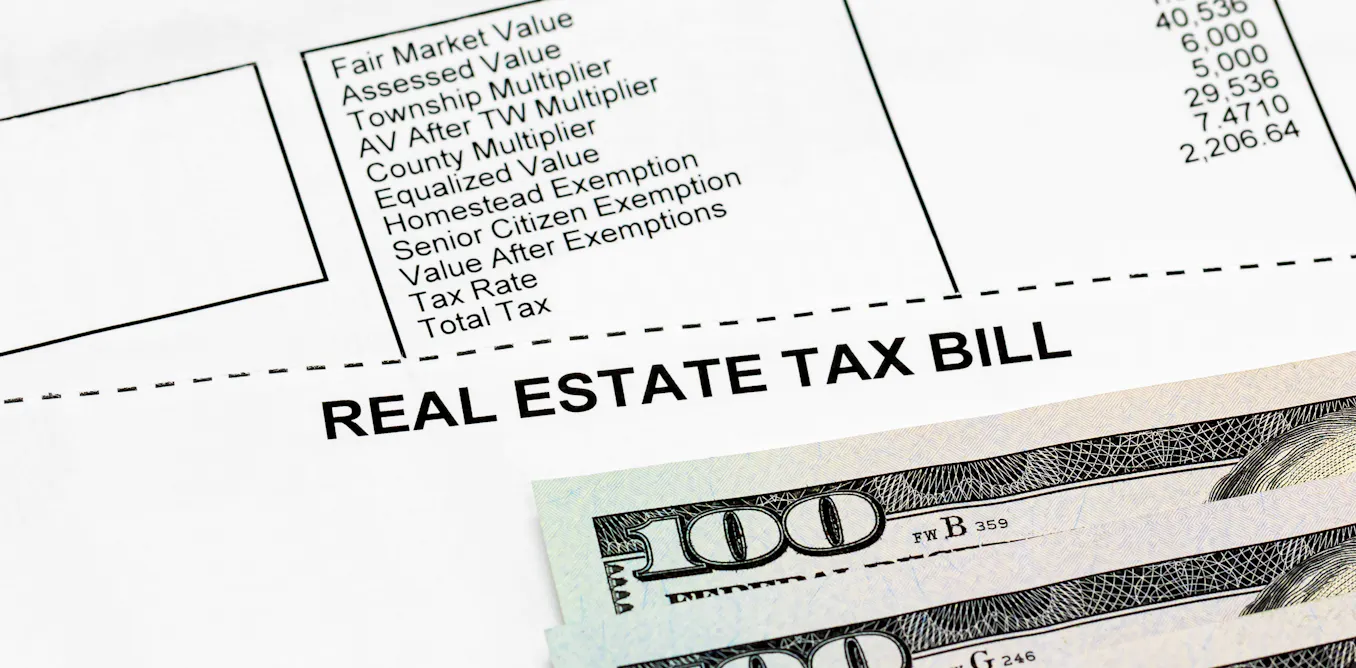
Florida voters will decide this election cycle whether to approve Amendment 3, a property tax proposal that promises relief for most homeowners but carries hidden trade-offs and potential winners and losers.
The amendment would reduce property tax burdens for the majority of Florida residents. However, the tax cuts would not translate into the substantial savings voters might expect. Some homeowners could actually face higher costs depending on their property values and local market conditions.
The proposal operates through a mechanism that limits how much assessed property values can increase annually. While this caps tax growth for existing homeowners, it creates a two-tier system. New property purchases get assessed at market value while longtime residents pay taxes based on older valuations. This disparity widens over time as property values climb.
The amendment's funding structure raises additional concerns. Lower property tax revenues force local governments to find alternative revenue sources or cut services. Counties and municipalities rely on property taxes for schools, emergency services, roads, and public infrastructure. Reduced revenues could necessitate unpopular choices between service cuts and new fees or taxes elsewhere.
Younger homebuyers and those purchasing property recently face disproportionate tax burdens under this system. They would pay significantly more than neighbors with identical homes purchased years earlier. Renters might also see indirect impacts if landlords pass property tax savings to tenants or redirect them to profit margins.
The amendment reflects a broader tension in Florida politics between tax relief and government funding. Proponents argue homeowners deserve protection from rising costs. Opponents contend the tax structure becomes increasingly inequitable and fails to adequately fund public services that all residents depend on.
Voters entering the booth should understand Amendment 3 delivers mixed results. While many homeowners would pay less, the proposal redistributes rather than eliminates tax burdens. Some residents would shoulder higher costs to subsidize others, and local services could suffer from reduced funding.