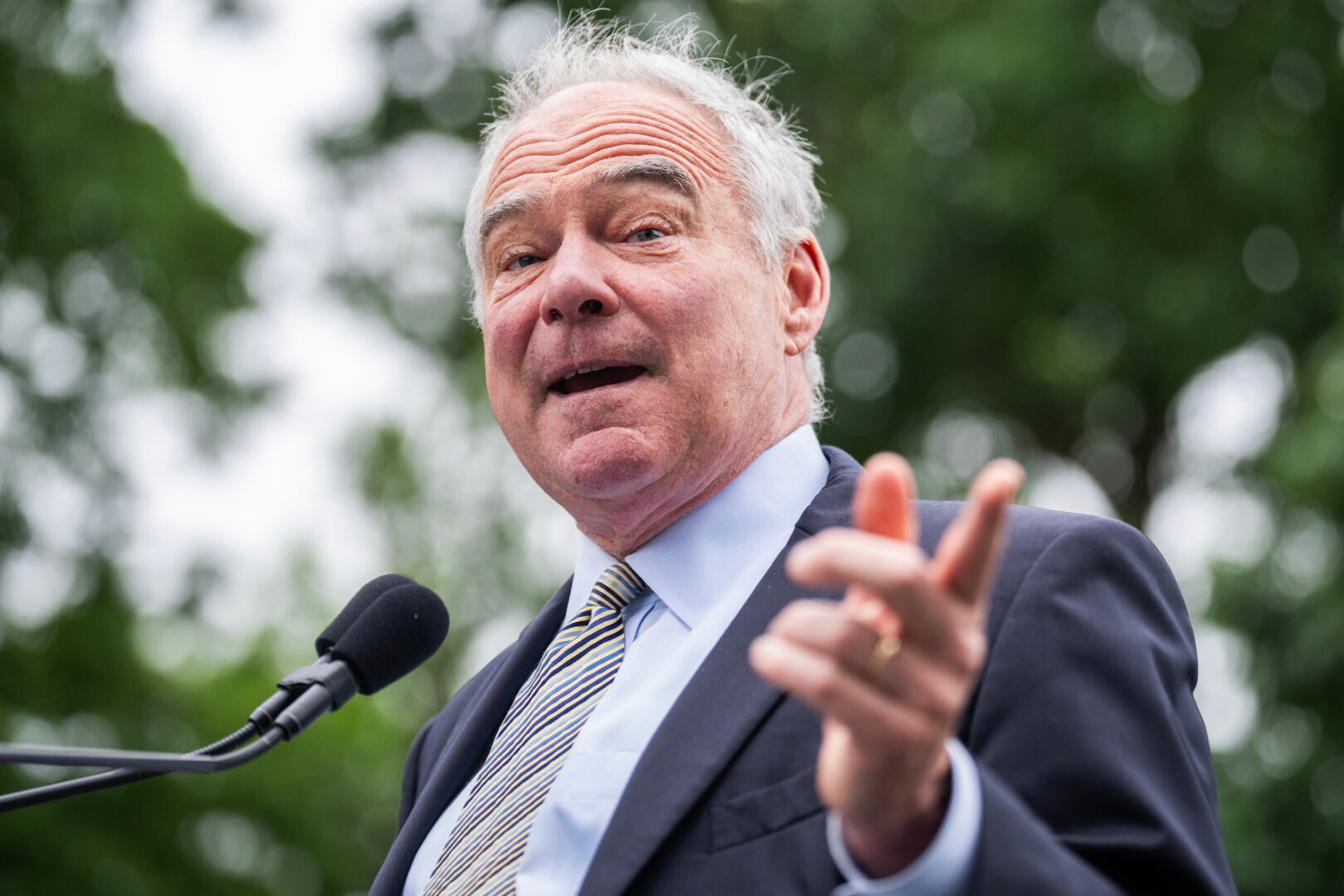
The Senate Health, Education, Labor and Pensions Committee advanced two Trump administration public health nominees in a party-line vote Thursday. Sean Kaufman won approval to lead the Centers for Disease Control and Prevention, while a second nominee secured backing for an assistant secretary role in health preparedness.
The 12-11 party-line vote reflects deep divisions over Trump's public health leadership choices. Democrats opposed the nominees, signaling concerns about their qualifications or alignment with agency missions during a period when disease surveillance and outbreak response remain critical functions.
The CDC director position has proven difficult for the administration to fill. The agency operates as the nation's primary disease surveillance and prevention apparatus, overseeing infectious disease response, vaccine distribution, and pandemic preparedness. Leadership continuity matters significantly for institutional expertise and relationships with state and local health departments.
Kaufman's nomination now advances to the full Senate floor, where Republicans hold the majority. If confirmed, he would replace the previous CDC director and set the agency's priorities on communicable disease prevention, chronic disease management, and emergency preparedness.
The assistant secretary nominee would handle health preparedness and response planning, a portfolio that gained prominence during the COVID-19 pandemic. This role coordinates federal disaster medical response, maintains the Strategic National Stockpile, and develops pandemic contingency strategies.
Republicans have framed these nominees as bringing fresh perspectives to federal health agencies. Democrats have questioned whether the picks bring sufficient public health experience or commitment to evidence-based disease prevention.
The narrow committee vote underscores broader tensions between the parties over public health governance. Control of the CDC and preparedness functions grants significant power over resource allocation, disease response protocols, and communication during health emergencies.
Full Senate votes on these nominees remain pending. With their party-line committee approval, passage appears likely given Republican Senate control, barring significant new controversies or revelations about the nominees' backgrounds or positions.