# The COVID Debate That Never Ended
The coronavirus pandemic fractured American politics in ways that persist today. Republicans and Democrats remain locked in competing narratives about lockdowns, vaccine mandates, school closures, and government response strategies from 2020 and 2021.
GOP lawmakers continue to argue that pandemic restrictions caused lasting damage to the economy, mental health, and education. Senator Rand Paul, along with other Republican critics, has pushed for investigations into the origins of COVID-19 and challenged the scientific consensus on vaccines. Congressional Republicans have demanded answers from public health officials, particularly former NIAID director Anthony Fauci, over decisions made during the pandemic's early phases.
Democrats defend the public health response as necessary and evidence-based. They point to the scale of deaths prevented and argue that restrictions reflected the uncertainty facing policymakers at the time. Democratic governors who imposed stricter measures frame their decisions as protecting vulnerable populations.
The debate has moved beyond epidemiology into political identity. Vaccine status became a proxy for partisan affiliation. School reopening timelines fueled local election cycles. The pandemic response created lasting divisions that now color broader debates about government authority, individual freedom, and trust in institutions.
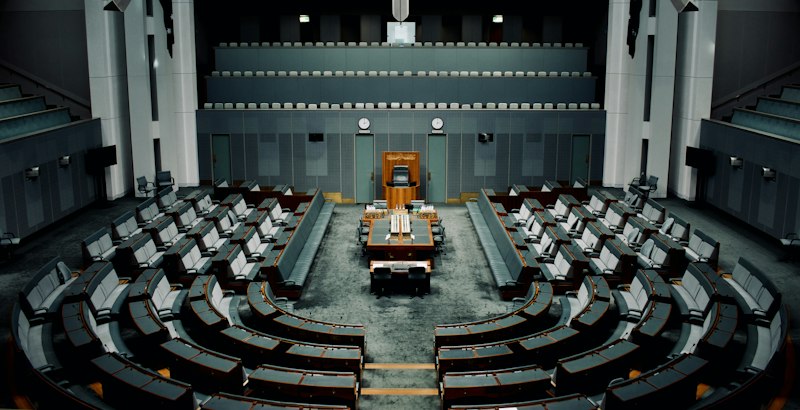
Congress has held multiple hearings on pandemic origins, government overreach, and school policies. These sessions typically break along party lines, with little evidence of consensus building. Republican-led investigations focus on potential lab origins and regulatory decisions. Democratic responses emphasize that pandemic response was unprecedented and evolved with available science.
The disagreement reflects deeper questions about what role government should play during health crises. Republicans emphasize economic and social costs of restrictions. Democrats emphasize public health priorities. Neither side shows signs of reconciliation.
This unresolved debate influences current policy discussions. Proposals for pandemic preparedness legislation stall over disagreements rooted in 2020 disputes. Public health agencies face sustained skepticism from Republicans.