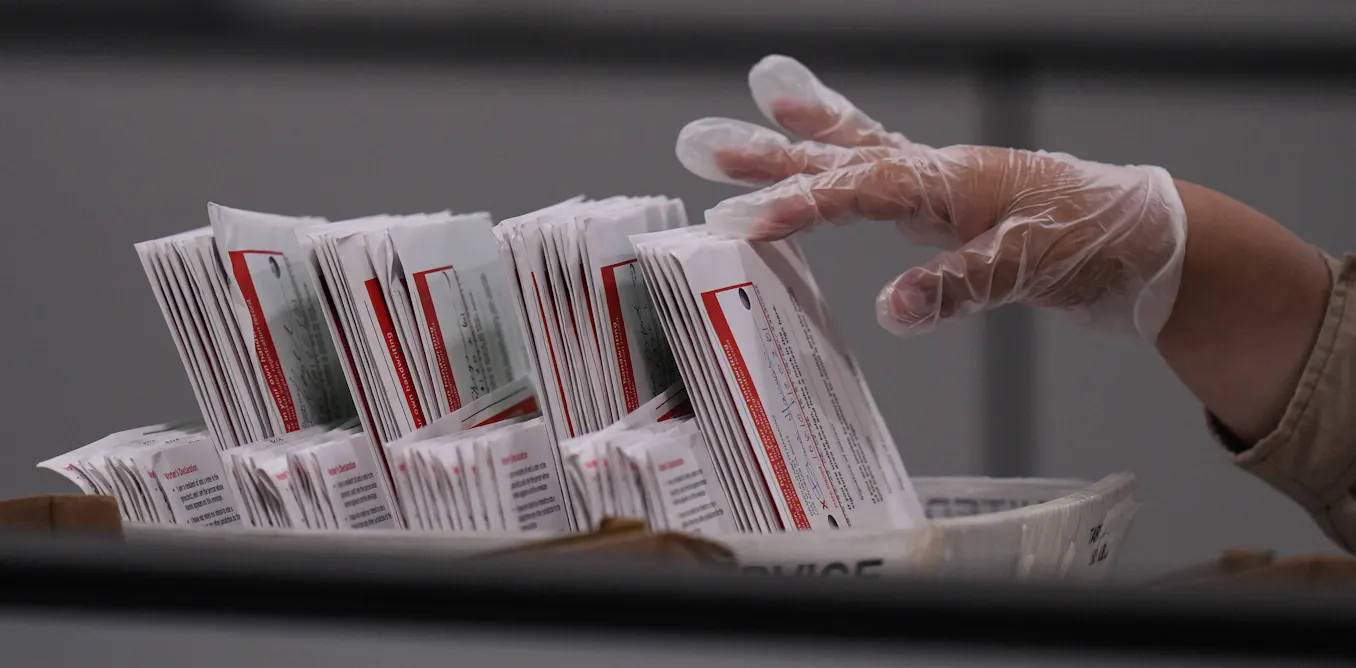
# Mail Ballot Counting Explains Shifts, But Fraud Risks Remain Real
Election night vote counts that shift dramatically once mail ballots arrive reflect procedural reality, not fraud. States process absentee and mail ballots on different schedules, and early vote counts often skew toward in-person voters who lean Republican in recent elections. Later batches of mail ballots frequently favor Democrats. This timing gap creates the visual appearance of a "flip," but it stems from voting method preferences and ballot processing rules.
The Conversation's analysis clarifies why late-arriving mail ballots shifted outcomes in competitive races during 2020 and 2022. Poll closings happen at a set time. Mail votes counted afterward simply reflect when election officials legally process them. No deception occurs. The "mirage" exists in perception, not reality.
However, this technical explanation does not eliminate election security concerns entirely. Mail ballot fraud, while rare, remains possible. Stolen ballots, forged signatures on envelopes, and voter impersonation through mail systems present authentic vulnerabilities. A 2022 Heritage Foundation database documented hundreds of documented mail fraud convictions across decades, though conviction numbers stayed far below voting totals.
The distinction matters for policy. Dismissing all fraud concerns as "mirages" weakens election integrity arguments. Simultaneously, treating routine mail ballot counting variations as evidence of systemic fraud fuels unfounded distrust. Election officials must balance accessibility with security.
States differ on mail ballot procedures. Some verify signatures against driver's license records. Others require witness signatures or notarization. Processing timing varies. Election administrators operate under specific state laws that shape both vulnerability and verification capacity.
The political stakes remain high. Republicans cite mail ballot concerns to justify stricter voting rules. Democrats emphasize rare fraud rates to oppose restrictions. Both sides weaponize election mechanics for partisan advantage. Understanding that procedural differences