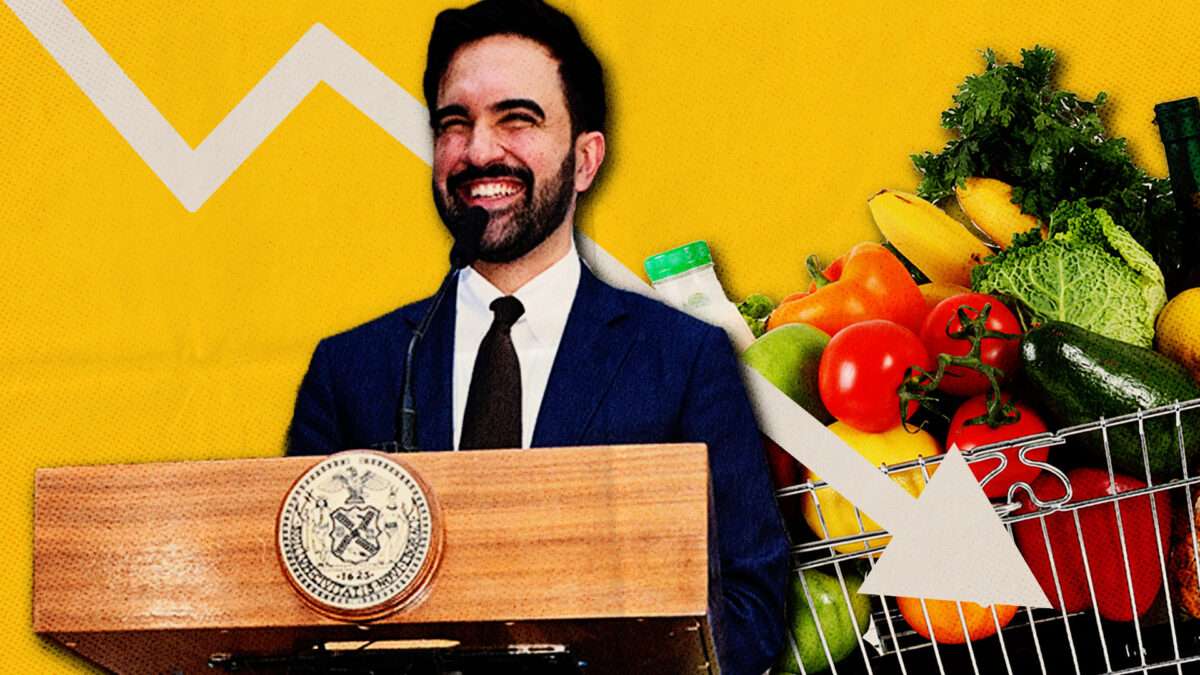
Mayor Mamdani unveiled a city-run grocery store initiative this week, promising residents a 30 percent discount on core staple goods. The program represents a direct municipal intervention into retail markets, positioning the city government as both operator and price regulator for essential food items.
The announcement raises immediate questions about financing. City-run grocery operations require capital investment, operational overhead, and staffing costs. A 30 percent markdown on staples means the stores operate at structural losses unless subsidized through municipal budgets or cross-subsidized by higher margins on non-discounted items.
Taxpayers ultimately bear this cost. The city must either redirect existing revenue streams, raise taxes, or reallocate funds from other services to cover the gap between wholesale acquisition costs and discounted retail prices. This represents a transfer of resources from the broader municipal budget to subsidize grocery purchases for shoppers who use these stores.
The policy reflects growing urban frustration with private retail pricing on essentials like milk, bread, and produce. Cities from New York to San Francisco face affordability crises where food costs consume disproportionate shares of household budgets, particularly for lower-income residents. Mamdani's approach attempts to address this directly through municipal ownership rather than regulation or price controls on private retailers.
However, city-run grocery operations face operational challenges. Municipal governments typically lack retail expertise. Labor agreements in city-run facilities often exceed private sector costs. Supply chain management requires sophisticated logistics. These factors have historically made government-operated grocery stores less efficient than private competitors.
The fiscal sustainability question remains unanswered. If the city absorbs the 30 percent discount perpetually, the program becomes an ongoing subsidy with no natural conclusion. If discounts phase out or narrowly target eligible income groups, the political backlash could be significant.
Mamdani has not released detailed budget projections or specified how long the discount