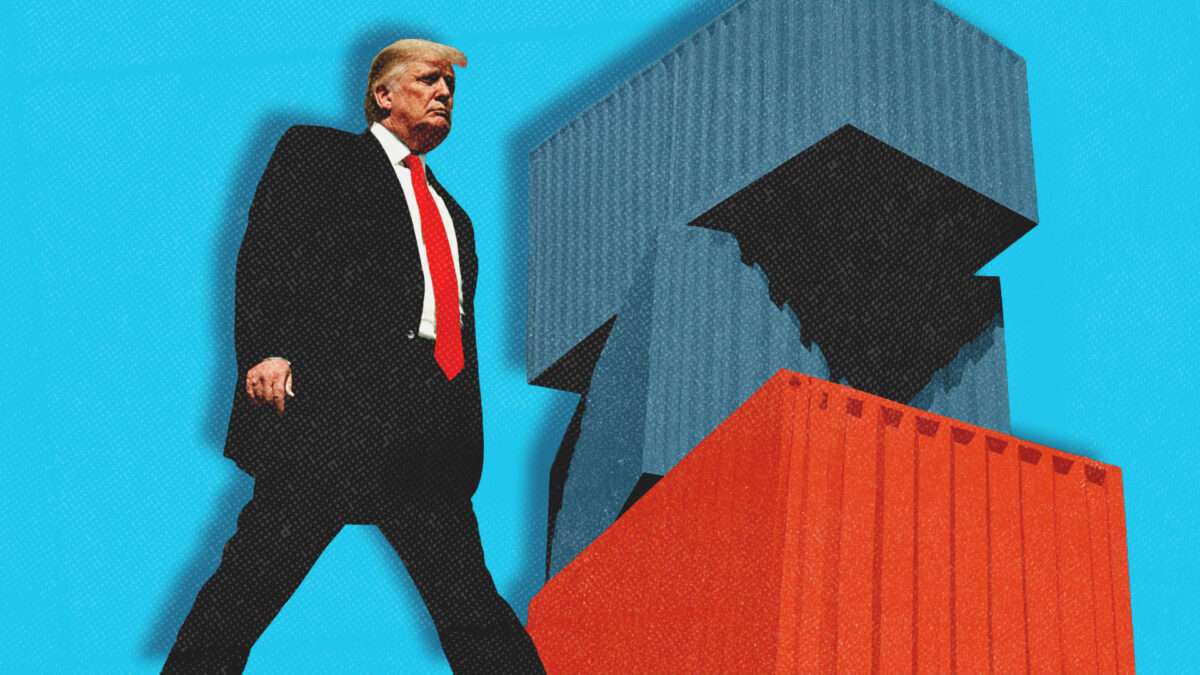
President Donald Trump continues to implement sweeping tariff increases that legal scholars and trade experts argue exceed his constitutional and statutory authority. This marks the third major round of broadly applied import taxes issued during his second term, each of which stretches the boundaries of executive power over trade policy.
Trump's tariff announcements have relied on emergency economic powers and national security justifications that critics contend are pretextual. The statutory frameworks he invokes, including Section 232 of the Trade Expansion Act of 1962 and the International Emergency Economic Powers Act, were designed for narrow, emergency circumstances rather than sustained trade wars affecting hundreds of billions in goods.
Legal scholars across the political spectrum have flagged the pattern. The president's framing of general trade policy as a national security matter sets a precedent that effectively allows any sitting president to unilaterally reshape the global trade architecture without congressional approval. Congress retains the constitutional power to regulate foreign commerce, yet Trump's repeated use of emergency authorities sidesteps legislative oversight entirely.
The administration has treated statutory limits as secondary concerns. When briefed on legal vulnerabilities in previous tariff rounds, Trump proceeded anyway, betting that litigation will move slowly and that political pressure will force Congress to accept the tariffs rather than challenge them directly.
Business groups and economists warn the tariffs raise consumer prices, disrupt supply chains, and trigger retaliation from trading partners. Republican lawmakers face political crossfire between supporting a popular president and protecting their districts' export industries and manufacturing bases.
Multiple challenges are wending through federal courts. The Trade Court and appeals courts will eventually rule on whether Trump's invocation of emergency powers passes legal muster. A Supreme Court skeptical of executive overreach could overturn the tariffs, but only after months or years of litigation and economic disruption.
The pattern reflects Trump's broader approach to presidential authority. He views statutory language as guidance rather than constraint and interprets emergency powers expans