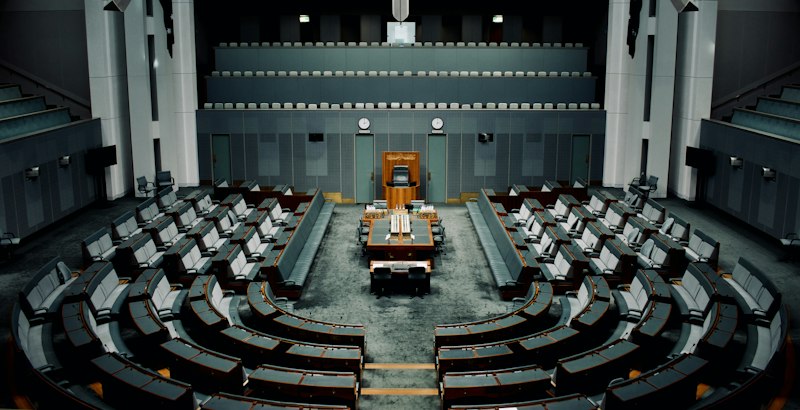
There is a particular story being sold in Washington right now, and it deserves far more skepticism than it's receiving. The story goes like this: The Senate is broken. It moves too slowly. It takes too many breaks. If only members would cancel their August recesses and stay in session year-round, grinding through legislation without pause, we could solve the backlog of bills and restore functionality to our legislative branch.
This trend is being sold as inevitable. It deserves more skepticism than it is getting.
The narrative has some surface appeal, especially when political leaders invoke it during moments of urgency. The image of senators working tirelessly rather than heading home to their states resonates with a frustrated public. But this framing obscures what's actually wrong with Congress and risks making things worse, not better.
Start with the basic premise: Does the Senate move slowly because members take breaks, or do they take breaks because the chamber fundamentally lacks consensus on how to spend its time? The causality matters enormously.
Consider the broader legislative environment. Congressional scholars have long documented that the number of bills passed in any given session correlates only weakly with the amount of time the chamber spends in session. What matters far more is whether there's actual agreement on what those bills should accomplish. When there isn't, members can sit in session every single day and still produce gridlock. They'll just be gridlocked in person rather than in their home states.
The "broken Senate" narrative also obscures a more uncomfortable truth about modern lawmaking. Much of the actual work of Congress happens outside the chamber. It happens in committee markups, in staff-level negotiations, in constituent services, in the building of coalitions that make bills passable. August recesses, whatever else we might say about them, give members time to conduct this unglamorous but essential work. They allow senators to hold town halls, understand what their constituents actually need, and return to Washington with information that shapes legislative priorities.
There's another problem with the perpetual-session model: it advantages wealthy members and those without significant caregiving responsibilities. A Senate that never recesses becomes increasingly accessible only to those who can afford to maintain two full residences and ignore family obligations for months at a time. That's not a fix for what ails Congress. It's a way to make the institution even less representative than it already is.
The real dysfunction in Congress stems from deeper sources. It comes from the mechanics of campaign finance. It comes from geographic sorting that produces safe seats and heightened partisan polarization. It comes from the media environment that rewards performance over negotiation. It comes from structural features like the filibuster that require 60 votes for almost everything. These are the actual problems. And none of them disappear if senators work through their August break.
In fact, there's reason to worry that non-stop sessions might make polarization worse. When members are constantly in Washington, constantly in campaign mode, constantly performing for their base on cable news, the incentives shift even further away from the patient work of building genuine consensus. Recesses, whatever their flaws, at least create space for members to step away from the intensity and remember what they're supposed to be doing.
This isn't an argument for long vacations or indifference to legislative backlogs. It's an argument for clarity about what actually creates functional legislatures and what just creates the appearance of activity.
The Senate's problems are real. But they won't be solved by member exhaustion. They'll be solved when we address the underlying incentive structures that make gridlock so appealing to the people we elect. Until then, canceling August breaks is just expensive theater.