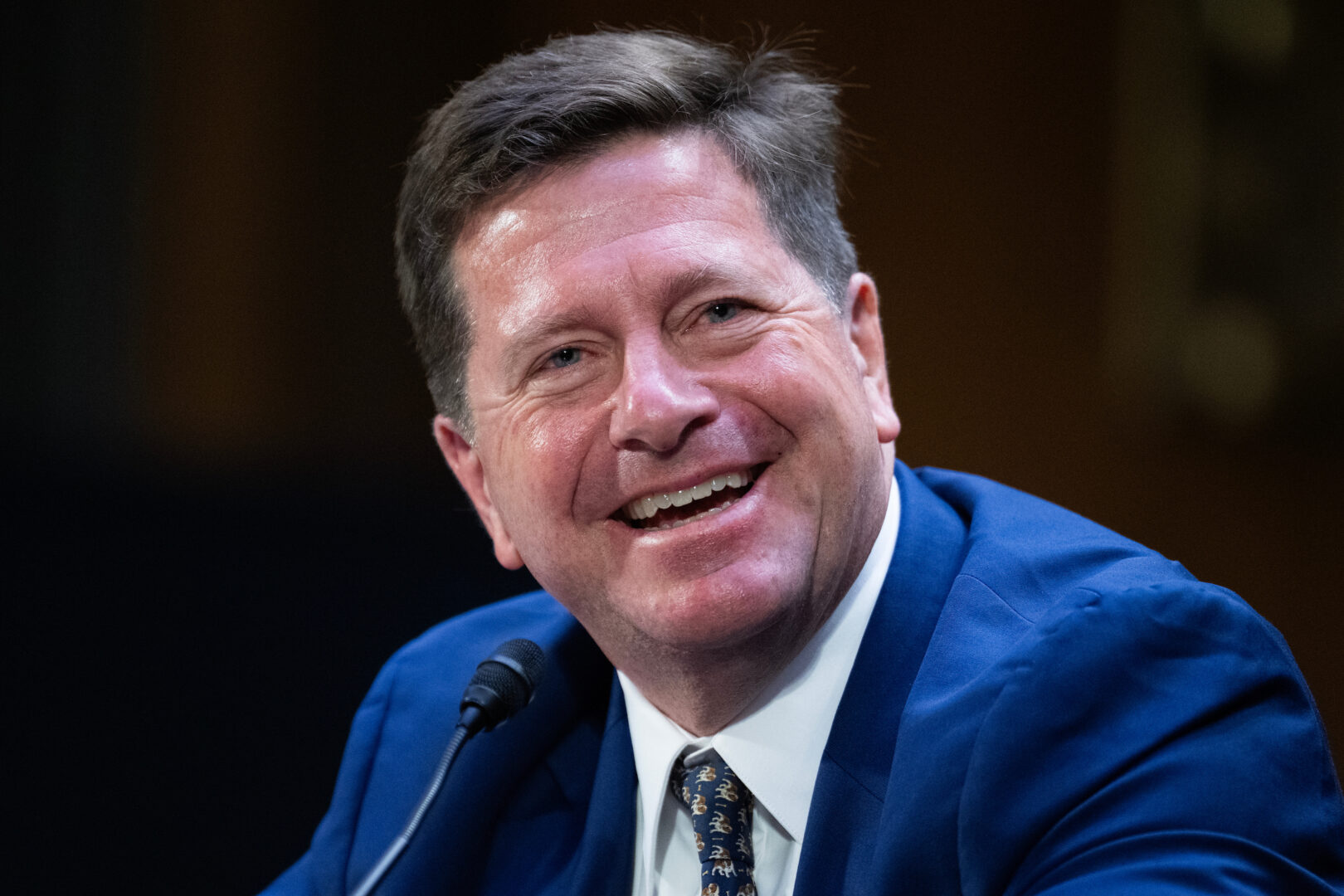
The Senate confirmed Jay Clayton as director of national intelligence in a strictly partisan 51-47 vote Tuesday evening, with every Democrat opposing the nomination. Clayton, a former Securities and Exchange Commission chair under President Trump, takes the role after Bill Pulte's brief interim tenure drew Democratic criticism.
Clayton's appointment fills the vacancy left by Tulsi Gabbard's resignation. Pulte's temporary assignment last month generated controversy among Democrats, who questioned his qualifications and background. The Democratic caucus unified against Clayton's confirmation, signaling deep concerns about Trump's intelligence leadership choices.
As DNI, Clayton heads the seventeen-agency intelligence community and serves as the president's chief intelligence adviser. The role requires navigating sensitive national security matters and maintaining intelligence partnerships with allies. Clayton's background in financial regulation at the SEC represents a significant departure from traditional intelligence community experience.
The party-line confirmation reflects the broader polarization shaping Trump's cabinet confirmations. Democrats expressed reservations about Clayton's lack of intelligence credentials and his previous partisan positions. Republicans defended his nomination, emphasizing his executive experience and management capabilities.
Clayton's tenure begins amid ongoing intelligence challenges, including assessments of foreign election interference, counterterrorism operations, and strategic competition with China and Russia. His confirmation comes as the Trump administration reshapes intelligence leadership to align with the president's policy priorities.
The unanimous Republican support for Clayton stands in contrast to Democratic unity in opposition. This split suggests intelligence oversight will remain a flashpoint for partisan disagreement in the coming months. Clayton's confirmation also reflects Trump's pattern of nominating loyalists and allies to key national security posts, prioritizing ideological alignment over traditional expertise.