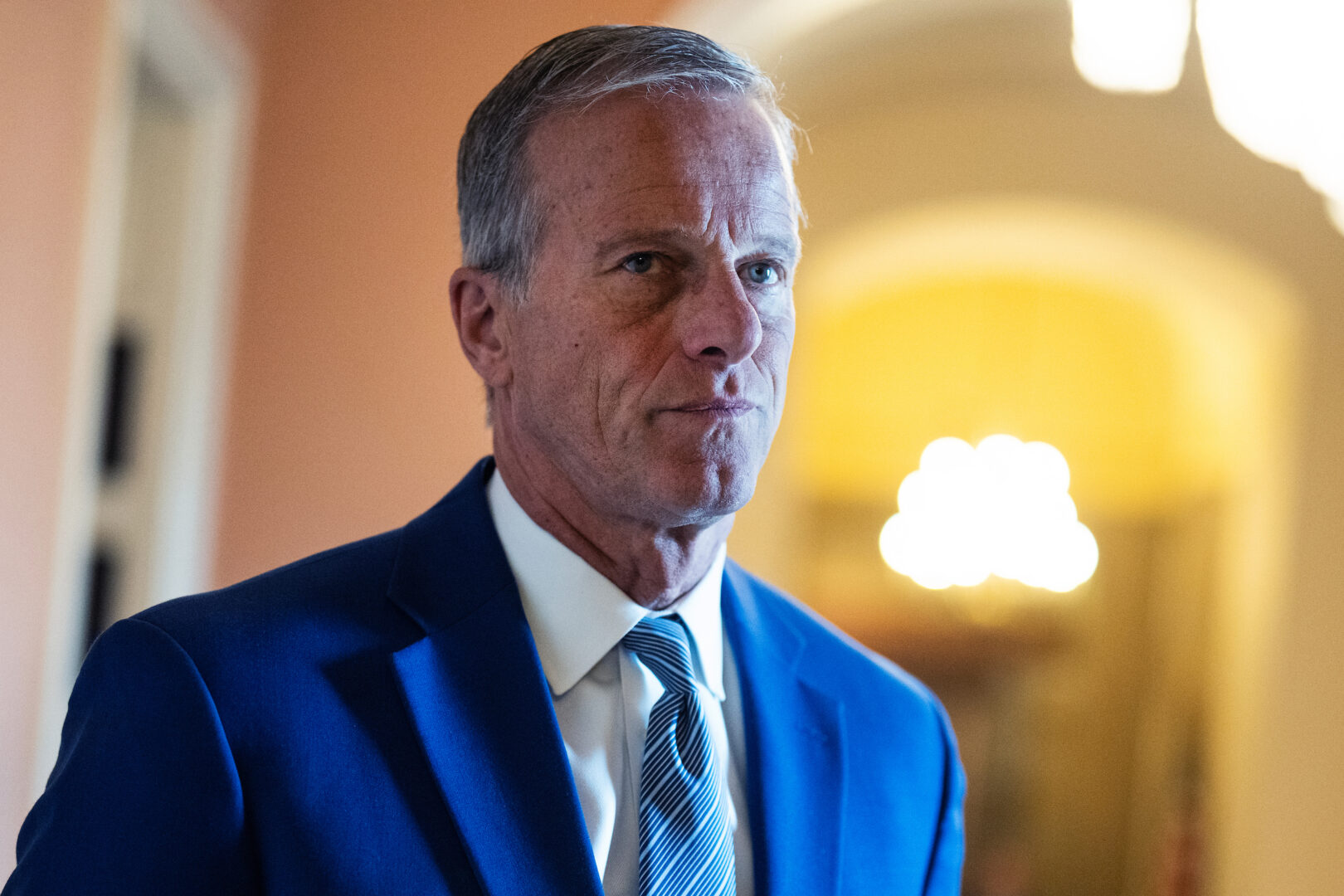
President Donald Trump is pushing Senate Majority Leader John Thune to cancel the Senate's August recess and keep lawmakers in Washington to address pressing legislation. Trump's demand represents a direct challenge to Thune's scheduling authority and reflects tensions within Republican leadership over legislative priorities.
Thune has rejected Trump's request, effectively dismissing the pressure. When confronted about the proposal, the South Dakota Republican stated that extended sessions would not alter the fundamental legislative landscape. "You could stay here till Christmas and the situation wouldn't change," Thune said, indicating that keeping senators in session would not resolve underlying disputes or enable passage of bills currently stalled.
The exchange reveals fractures in Republican coordination heading into the fall session. Trump's demand suggests frustration with the pace of legislative action on his agenda. The August recess, typically a working break where senators return to their home states, has become a flashpoint as Trump seeks to maintain momentum on key initiatives.
Thune, elevated to majority leader after Mitch McConnell stepped down, faces competing pressures. He must balance Trump's demands for aggressive legislative scheduling against senators' need for constituent time and the practical reality that August votes often have lower attendance and reduced productivity due to the summer break.
The tension underscores broader dynamics within Senate Republican leadership. Thune's independence in rejecting Trump's recess cancellation request marks him as willing to defend institutional prerogatives, even when contradicting the former president. Yet this stance could generate friction with Trump loyalists in the party who expect Republican leaders to maximize legislative opportunities.
The August recess decision also reflects broader questions about Senate operations and productivity under Trump's second term. Whether lawmakers remain in session or return home, substantive disagreements on bills and procedures will likely persist. Thune's public rebuff suggests the majority leader intends to maintain traditional recess schedules regardless of Trump's preferences, establishing early markers of his leadership