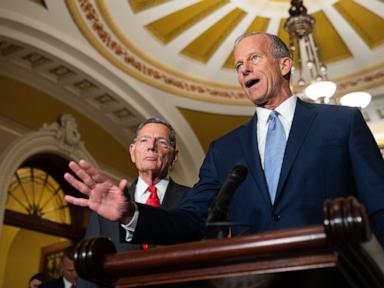
President Donald Trump demanded that Senate Majority Leader John Thune cancel the chamber's planned August recess until lawmakers pass a strict voter identification measure requiring proof of citizenship.
Trump made the call in a social media post, insisting that senators remain in Washington to complete work on the voting bill before taking their scheduled break. The demand reflects Trump's priority on election security measures that require citizens to demonstrate legal residency status before casting ballots.
The proposal carries significant partisan weight. Republicans argue that proof-of-citizenship requirements strengthen election integrity by preventing non-citizens from voting. Democrats contend such measures suppress voter turnout and disproportionately impact minority and elderly voters who lack readily available citizenship documentation.
Trump's directive to Thune tests the Senate Majority Leader's legislative strategy heading into the fall. Thune, who took office in January 2025, must balance Trump's demands with operational realities of the Senate schedule and competing legislative priorities. August breaks traditionally give senators time to campaign in their home states and address constituent concerns.
The timing complicates Senate operations during a busy legislative calendar. Lawmakers face decisions on defense spending, appropriations bills, and judicial confirmations. Prioritizing the voting measure could delay other agenda items or force marathon floor sessions.
The proof-of-citizenship bill aligns with Trump's broader election-focused agenda from his first term. His administration had championed similar measures, though prior versions faced legal challenges from voting rights advocates who argued they conflicted with federal voting rights law.
The demand signals Trump maintains substantial leverage over Senate Republicans. Thune's response will indicate whether party unity holds on Trump's legislative priorities or whether Senate operations and other business outweigh demands from the president. The outcome may reshape how Senate leadership manages its schedule and Trump's expectations for executive-legislative cooperation.