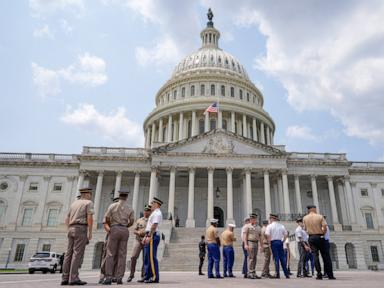
Senator Lindsey Graham, one of the Republican Party's most influential voices and a close ally of former President Donald Trump, has died. His funeral in Washington will draw Trump and numerous world leaders, underscoring Graham's stature in American politics and diplomacy.
Graham, a South Carolina Republican who served in the Senate for over two decades, built his career on foreign policy expertise and a willingness to break from party orthodoxy on certain issues. He grew up in a modest background, the son of pool hall owners, before attending the Air Force Academy and eventually entering politics as a House member in 1995. He moved to the Senate in 2003, where he became a fixture on the Armed Services Committee and a key voice on national security matters.
Throughout his career, Graham developed a complicated relationship with Trump. He shifted from a Trump critic during the 2016 campaign to a close adviser and defender during the presidency. This alignment made him a central figure in Republican politics during Trump's tenure.
Graham's influence extended beyond domestic politics. He maintained relationships with foreign leaders and regularly traveled abroad, positioning himself as a bridge between American interests and international partners. His work on defense policy gave him considerable sway over military and foreign aid decisions.
The decision by Trump and world leaders to attend Graham's funeral reflects the wide-ranging impact of the senator's career. His death removes from the Senate a voice that shaped defense spending, military strategy, and American foreign policy for decades. Republican leadership now faces the question of how South Carolina Governor Henry McMaster will fill the seat and whether a successor can maintain Graham's influence on armed services and security matters.
Graham's career demonstrated how a politician from a working-class background could ascend to positions of significant power and maintain relevance across multiple presidential administrations by building relationships and specializing in complex policy areas like defense and foreign affairs.