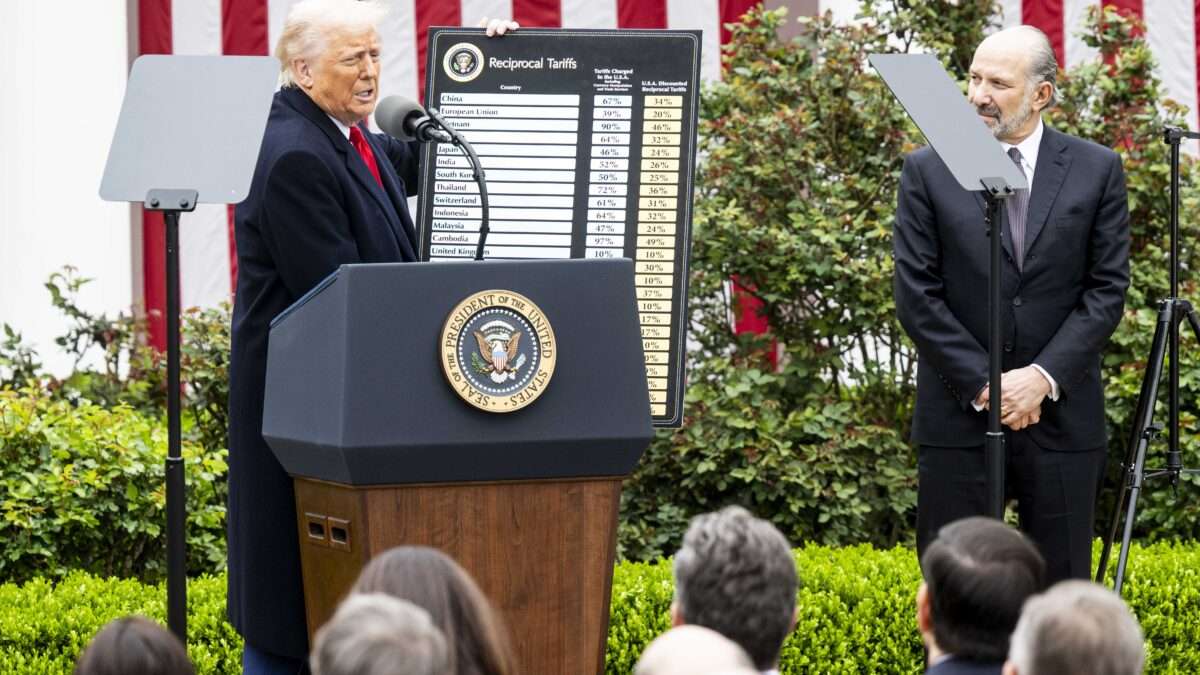
Economist David Hebert argues that Donald Trump's tariff strategy carries a hidden cost beyond immediate economic damage. The tariffs erode American credibility in global trade negotiations and undermine the nation's reputation as a reliable partner in international commerce.
Hebert identifies the core problem. When the United States imposes tariffs unilaterally and shifts policy direction rapidly, trading partners lose confidence in long-term American commitments. Foreign governments and businesses struggle to plan investments or negotiate deals when tariff rates fluctuate unpredictably. This volatility signals that the U.S. cannot be trusted to maintain stable trade relationships.
The economist notes this credibility gap extends beyond immediate tariff disputes. It affects America's ability to broker multilateral trade agreements, attract foreign investment, and maintain diplomatic leverage. Nations that question U.S. reliability may seek alternative trading blocs or partnerships, particularly with China or the European Union. The costs accumulate over time as trust erodes.
Hebert acknowledges the damage is not irreversible. He outlines steps that could restore American credibility and limit further deterioration. These include establishing clear tariff timelines, maintaining transparency about negotiation goals, and consulting Congress and trading partners before major policy shifts. Predictability and consistency matter more than tariff levels themselves.
The analysis reflects broader concerns among economists and trade experts about Trump's approach. While some tariffs target specific unfair practices, the scale and speed of recent tariff increases create uncertainty that damages American interests. Trading partners respond with retaliatory tariffs, harming American farmers, manufacturers, and consumers.
Hebert's framework separates legitimate trade concerns from the credibility problem. The U.S. has valid grievances about intellectual property theft and market access. However, pursuing those goals through chaotic tariff policies defeats the purpose. Disciplined negotiation preserves American leverage while maintaining the trust necessary for future