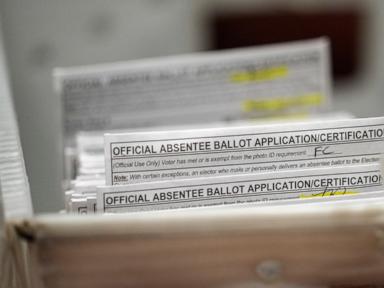
Wisconsin absentee voters backed by the state Democratic Party filed suit against the elections commission seeking the right to void and replace already-submitted ballots. The lawsuit, brought by three individual voters, challenges current state rules that prevent voters from retrieving or changing absentee votes once cast.
The Democratic Party's support for this litigation reflects strategic concern about early voting decisions. The suit argues that Wisconsin law should permit voters to request new ballots after submitting original ones, citing voter autonomy and the evolving nature of campaigns between early voting and Election Day.
Wisconsin's Elections Commission currently does not allow voters to revoke cast absentee ballots and receive replacements. Once a ballot is returned, it becomes part of the official record and cannot be altered or withdrawn. The plaintiffs contend this restriction conflicts with voting rights principles and that voters should retain flexibility to change their choices if circumstances or information changes.
The Democratic Party's involvement carries political weight. Wisconsin remains a perennial battleground state in presidential contests, and Democrats see potential advantage in expanding voting flexibility heading into future elections. Republicans typically oppose expanded absentee voting mechanisms, viewing them as creating administrative complications and potential fraud vulnerabilities.
The lawsuit targets the Wisconsin Elections Commission directly, seeking declaratory relief that would fundamentally alter how the state processes absentee ballots. If successful, it would require the commission to develop procedures allowing voters to retrieve submitted ballots and request replacements, a significant operational change.
The case involves competing interests between voter choice and ballot security. Election officials often resist revocation systems citing concerns about ballot tracking, chain of custody, and administrative burden. The court must weigh whether voting flexibility outweighs these procedural concerns.
This litigation occurs within Wisconsin's broader voting access debates. The state has faced multiple legal challenges over voting rules in recent years, making it a consistent flashpoint in national election law disputes. The outcome could reshape how Wisconsin and potentially other states manage