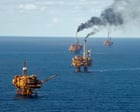
Equipment lost overboard at the Rosebank oilfield in the North Sea will delay production at Britain's largest undeveloped oil and gas reserve by several months, according to new reporting.
The accident occurred during rig operations at the site, where operators were preparing infrastructure for extraction. Recovery efforts will extend timelines for bringing the field into commercial production, adding operational complexity to one of the UK's most contentious energy projects.
The delay arrives as the Labour government under Prime Minister Andy Burnham weighs approval for expanded North Sea drilling licenses. The fossil fuel industry has pressured the administration to green-light extraction from Rosebank, framing new oil development as economically beneficial and domestically necessary. Climate campaigners and some Labour MPs have opposed new drilling permits, arguing they conflict with net-zero commitments and divert investment from renewable energy.
Burnham's government inherited this policy tension from the previous Conservative administration, which approved drilling licenses while simultaneously pledging climate action. The new Labour leadership faces competing pressures. Energy industry advocates argue North Sea production maintains energy security and employment in Scotland and northeast England. Environmental groups contend that approving new fossil fuel projects undercuts climate credibility and locks in decades of carbon emissions.
The Rosebank field sits in waters west of Shetland. Its development requires substantial capital investment and regulatory approval. The accidental equipment loss now extends project timelines, potentially affecting the economic case operators present to government.
The timing compounds political sensitivity. Burnham campaigned on climate priorities while acknowledging working-class energy concerns. His administration must balance these positions on North Sea policy. Approving new drilling satisfies industry and some Labour constituencies dependent on oil sector jobs. Rejecting expansion aligns with climate pledges and appeals to environmental voters and younger party members.
Industry observers note the equipment loss does not alter the core question facing policymakers: whether new North Sea