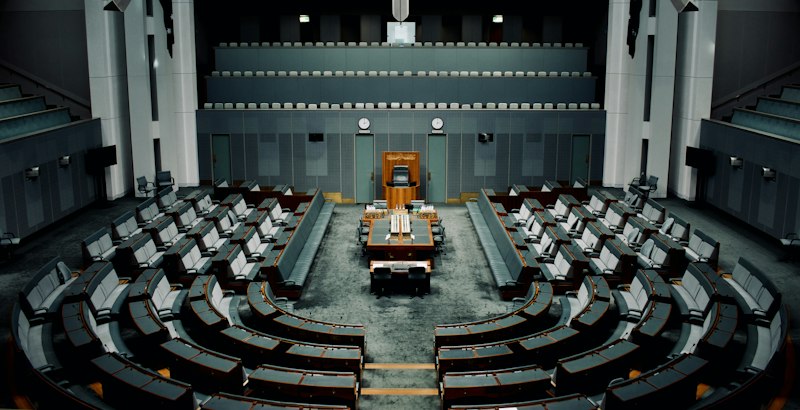
There is a story making the rounds in political commentary circles, and it goes something like this: Congress is broken, burned out, and incapable of functioning at anything beyond crisis-to-crisis management. Members are leaving. Staffing is hollowed out. Productivity is down. The institution is in terminal decline.
This narrative is being sold as inevitable. It deserves more skepticism than it is getting.
Don't misunderstand. Real problems exist. The legislative branch faces genuine challenges: polarization is real, campaign pressures are intense, and turnover among experienced staff has created genuine institutional knowledge gaps. Recent years have given us plenty of material for concern, from the spectacle of physical violence between members to investigations spanning former prosecutors and shifting political allegiances.
But the leap from "Congress faces real problems" to "Congress is collapsing" is a dramatic one that the evidence doesn't quite support.
Start with the actual legislative record. Yes, major bipartisan bills are rarer than they once were. Yes, the legislative calendar is compressed and chaotic. Yet Congress continues to pass appropriations bills, move confirmations, and occasionally produce bipartisan compromises on infrastructure and other matters. The institution works in fits and starts, not in smooth operation, but it works. Measuring congressional effectiveness purely against an imagined golden age of productivity is itself a form of narrative capture.
The "members are leaving" trend deserves particular scrutiny. Retirements happen in every Congress, driven by a mix of frustration, age, ambition, and personal circumstance. Without controlling for baseline retirement rates across comparable time periods, the raw number of departures tells us less than the commentary suggests. A member leaving to pursue a gubernatorial race, for instance, reflects political opportunity, not necessarily institutional despair.
The staffing issue is more substantive. Experienced legislative aides command lower salaries than comparable private sector positions. Younger staff face longer hours and higher stress. This is a real problem requiring real solutions, potentially including budget increases for congressional operations and workplace culture reform. But this is a resource and management problem, not evidence of inevitable decline. It can be fixed if Congress prioritizes it.
What concerns me most about the exhausted-Congress narrative is its political utility. When we accept that the institution cannot function, we create permission structures for circumventing it. Executive overreach becomes more palatable. Judicial activism becomes more necessary. Direct democratic appeals bypass deliberation. The narrative of institutional decline becomes self-fulfilling.
There's also something worth questioning about who benefits from this story. If Congress is irredeemably broken, then those advocating for power consolidation elsewhere have an easier sell. If Congress is exhausted, then calls to bypass it through emergency measures or expanded executive authority sound almost reasonable.
The real situation is messier and less dramatic: Congress is stressed, polarized, and operating with some structural disadvantages. It needs reform in several areas. Some of those reforms require member action (changing rules, investing in staff). Others require external pressure (voters rewarding compromise, media covering legislative work seriously rather than only covering conflict).
None of this points to terminal decline. It points to an institution that needs maintenance and realignment, not last rites.
The exhausted-Congress story is attractive because it's simple and it resolves the anxiety of political observers into a neat narrative arc. But political institutions are messier than narratives. Congress has absorbed worse shocks in American history. It will absorb these challenges too, if we stop accepting that it cannot.
Skepticism toward inevitability arguments is not optimism about the status quo. It is a prerequisite for serious reform.