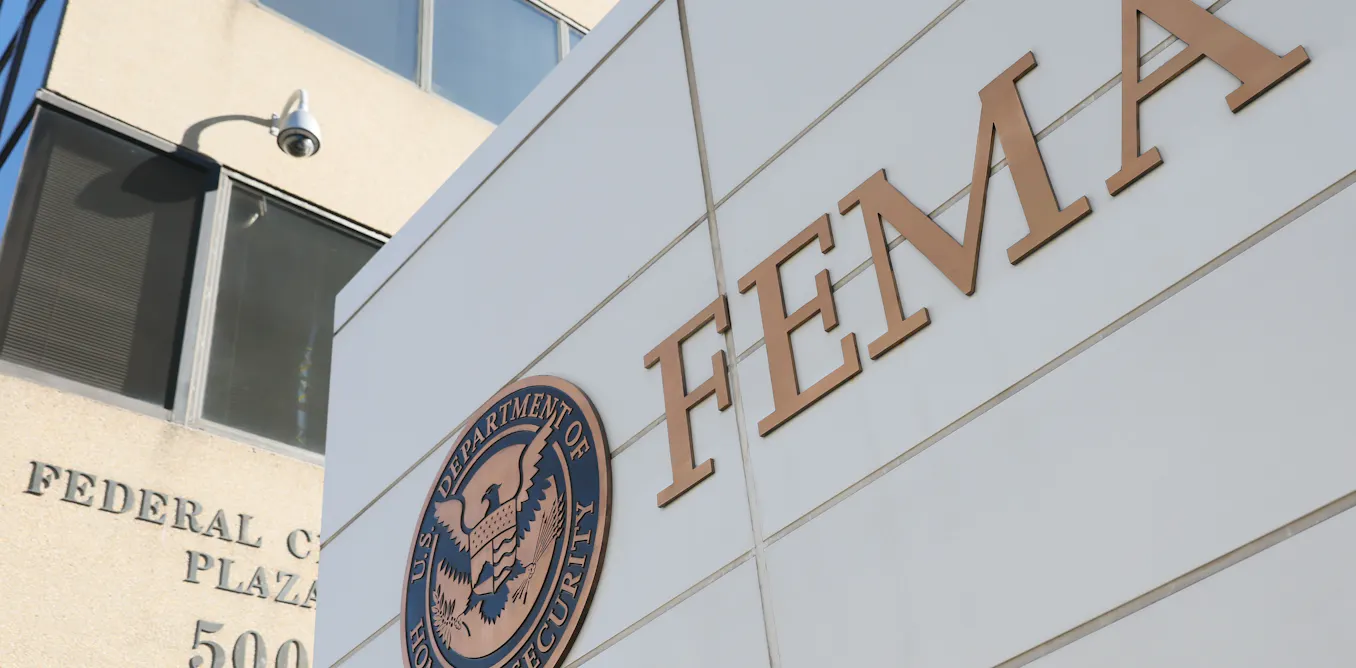
FEMA's threat to withhold federal counterterrorism funding from states has triggered a debate over the legal boundaries of executive power and conditional grant-making. Legal scholars argue that courts must apply heightened scrutiny when federal agencies attach conditions to grant money distributed to states.
The core legal question centers on whether executive branch agencies can legally impose conditions on federal funds as a form of leverage. The Constitution grants Congress control over appropriations, not the executive branch. When agencies like FEMA condition funding on state compliance with agency preferences, they potentially exceed their statutory authority and violate the Spending Clause framework that governs federal-state financial relationships.
Courts historically require federal conditions on grants to be clearly stated in advance. States must have fair notice of funding requirements before accepting money. Additionally, the conditions must relate directly to the purpose of the program. If FEMA conditions counterterrorism funds on unrelated policy demands, courts would likely strike down such conditions as overreach.
Legal scholars point to South Dakota v. Dole, a landmark Supreme Court case establishing that while Congress can condition federal funding, those conditions face constitutional limits. The Court ruled that conditions must be unambiguous and not coercive. If withdrawal of funds would cripple state budgets, courts recognize this as impermissible coercion.
The separation of powers doctrine adds another layer. FEMA operates under delegated authority from Congress. If the agency acts beyond what Congress authorized in its enabling statute, it exceeds its powers regardless of the substantive merits of the funding conditions.
Legal scholars recommend that courts apply intermediate or strict scrutiny to agency-imposed funding conditions affecting states. This heightened review would require FEMA to demonstrate that its conditions are clearly authorized by statute, directly related to counterterrorism funding purposes, and not coercive to states facing severe economic hardship.
The litigation likely to follow will test whether modern administrative