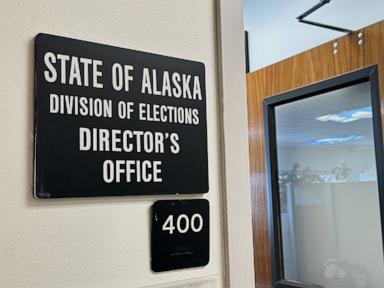
Alaska's Division of Elections sent more than 3,000 verification letters to registered voters this week, requiring them to confirm their citizenship status before the 2024 elections. The letters represent part of a broader effort by Republican-led election officials to maintain voting rolls accuracy.
Recipients have until March 1 to respond to the citizenship verification requests. Failure to respond triggers removal from the voter rolls. The Alaska Division of Elections said the letters target individuals whose citizenship information could not be confirmed through existing state records and databases.
State officials did not disclose how election workers identified the 3,000 voters or what specific data prompted the citizenship challenges. The move reflects ongoing Republican concerns about non-citizen voting, though documented cases of non-citizen voter registration remain exceedingly rare across the United States.
Alaska's Republican-controlled government has pursued stricter election security measures in recent years. This citizenship verification effort aligns with similar initiatives in other Republican-controlled states, including Georgia, Florida, and Texas, which have conducted citizenship audits of their voter rolls.
Election security experts have raised concerns about mass citizenship verification campaigns, arguing they risk removing eligible voters from rolls through administrative error or failure to receive mail. The citizenship verification process can create barriers for voters experiencing homelessness, frequent relocation, or mail delivery issues.
Alaska's Democratic Party has not yet issued a formal statement on the verification effort. State Democrats previously opposed other election changes proposed by Republicans, including new voter ID requirements.
The citizenship verification letters arrive as Alaska prepares for the presidential primary and general election season. Alaska permits same-day voter registration, which Republican officials have cited as another election security concern warranting additional verification procedures.
Election officials expect response rates of around 70 percent based on similar past verification efforts. Those who do not respond or cannot verify citizenship will be removed from active voter rolls but can re-register before election day if they establish citizenship.