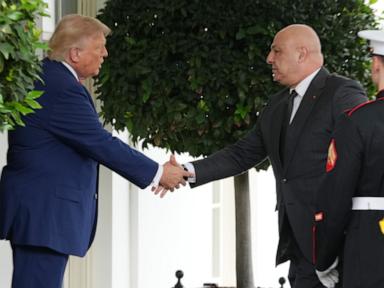
President Donald Trump announced he will permit American carriers to resume direct flights to Lebanon, ending a more than four-decade suspension of the route. The decision marks a significant shift in U.S. policy toward the Middle Eastern nation.
Direct flights between the United States and Lebanon ceased during Lebanon's civil war in the 1970s and 1980s. The suspension reflected broader security concerns and diplomatic tensions. Trump's reversal of this longstanding prohibition signals a potential thaw in U.S.-Lebanon relations and represents an attempt to normalize commercial ties with the country.
The move comes as Trump pursues a more assertive Middle East strategy. His administration has already withdrawn troops from Syria and signaled interest in reshaping American military commitments across the region. Lifting the flight ban aligns with broader efforts to reset engagement with Middle Eastern nations, particularly those with complicated histories with the United States.
Lebanon has faced severe economic and political crises in recent years, including massive inflation, currency collapse, and banking sector collapse. Resuming commercial aviation with the United States could provide economic relief and boost tourism revenue for the struggling nation. American carriers would benefit from expanded market access in the Eastern Mediterranean region.
The policy change requires approval from the Federal Aviation Administration and the Department of Homeland Security, which must certify Lebanon meets security standards for direct U.S. flights. Both agencies will conduct assessments before commercial routes launch.
Trump did not provide a timeline for when flights might actually begin. Implementation could take months as regulatory agencies complete their reviews and airlines establish routes and scheduling.
The decision faces potential opposition from lawmakers concerned about security risks and the involvement of Hezbollah, a militant group designated as a terrorist organization by the United States that maintains significant influence in Lebanon. Critics may argue that normalizing flights legitimizes a government linked to designated terrorist organizations.
Supporters argue that engagement and economic integration serve U.S. interests better than continued isolation. They