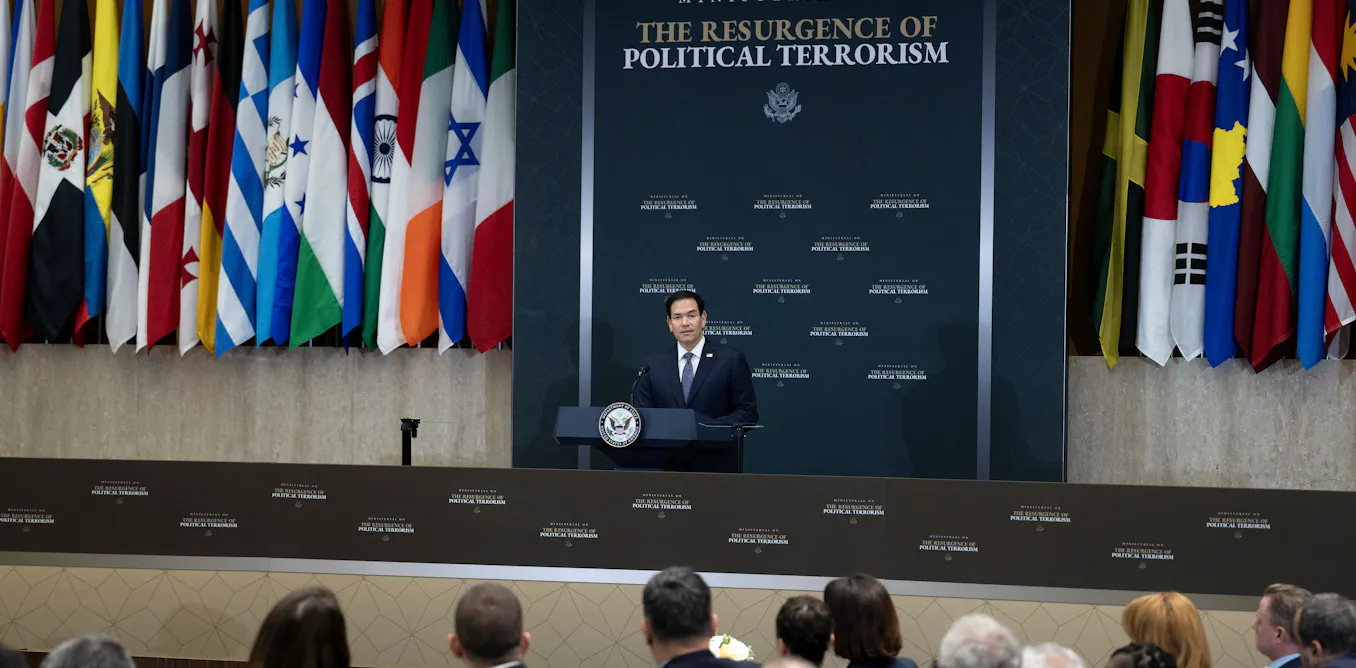
The Trump administration has repeatedly characterized antifa as a terrorist organization and an organized national threat. Law enforcement officials and administration officials have tied antifa to violent protests and property destruction at demonstrations across the country. Yet the factual record does not support describing antifa as a unified terrorist entity.
Antifa operates as a decentralized movement without formal leadership, membership, or command structure. No central funding apparatus connects local antifa groups to each other. The movement exists primarily as a loose ideology opposing fascism, adopted by autonomous collectives in different cities who coordinate locally but not nationally. This structural reality contrasts sharply with designated terrorist organizations that maintain hierarchies, funding sources, and coordinated operations.
Antifa has no documented record of deadly attacks. While some antifa-aligned individuals have participated in property destruction during protests, attributing this violence to an organized terrorist group requires evidence of coordinated planning and centralized direction that does not exist. The decentralized nature means violence attributed to "antifa" typically reflects actions by autonomous individuals or small local groups responding to specific events, not coordinated campaigns by a unified organization.
The Trump administration's framing served political purposes during 2020 protests following George Floyd's death. Officials used the antifa label to create a national enemy, enabling the administration to justify increased federal law enforcement deployment to cities and to frame protest movements as threats requiring military-style responses. This characterization influenced policy decisions and resource allocation despite limited evidence supporting the organized terrorism claim.
Federal law enforcement agencies have struggled to prosecute antifa members specifically for terrorism because the decentralized structure and lack of organizational membership make traditional terrorism prosecutions difficult. Individuals involved in protest violence face charges related to specific conduct, not membership in a terrorist organization. The legal system has not sustained charges framing antifa as a terrorist entity.
The distinction matters for governance and civil liberties. Describing a decentralized protest movement as organized terrorism can