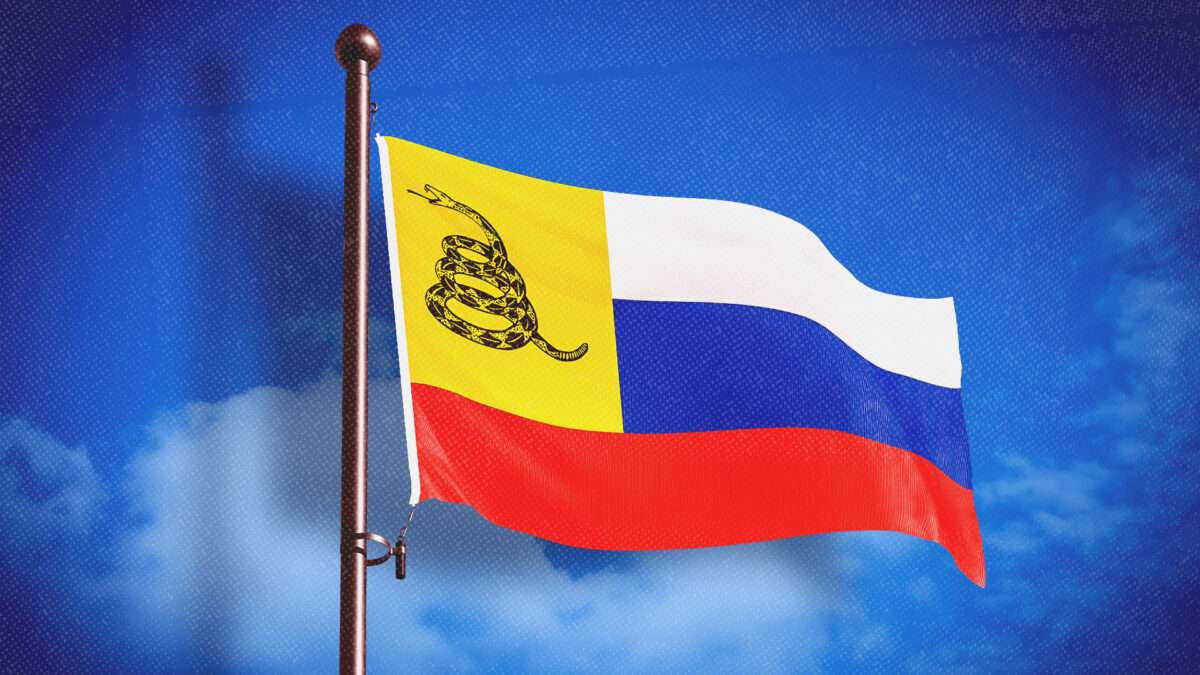
Russia's government designated the Libertarian Party of Russia as a "foreign agent" this week, a legal designation that effectively prohibits the party from operating as a political force in the country. The move follows a pattern of Moscow using foreign agent laws to suppress political opposition and civil society organizations critical of Kremlin policies.
The designation forces the Libertarian Party to comply with stringent regulations including mandatory labeling of all materials, restrictions on fundraising, and severe limitations on public activities. Party members acknowledge they have little realistic hope of challenging the decision through Russian courts, which operate under state influence.
The Libertarian Party of Russia has remained marginal in Russian politics, but its suppression reflects the broader crackdown on independent political activity under President Vladimir Putin. The government has weaponized foreign agent designations against dozens of organizations, including opposition parties, media outlets, and human rights groups. The label implies organizations receive foreign funding or pursue foreign interests, though such claims often lack substantive evidence.
The law empowers authorities to target any group the state deems threatening. Enforcement remains arbitrary and politically motivated. Courts rarely reject foreign agent designations once the government applies them, making legal appeal futile for the Libertarian Party.
This action demonstrates how Russia constrains democratic participation through legal mechanisms rather than outright bans. The foreign agent designation allows the state to marginalize political competitors while maintaining a facade of legal process. The Libertarian Party joins a lengthening list of political organizations effectively neutralized by this tool, narrowing the already limited political space available to Russians outside the Kremlin's preferred parties.