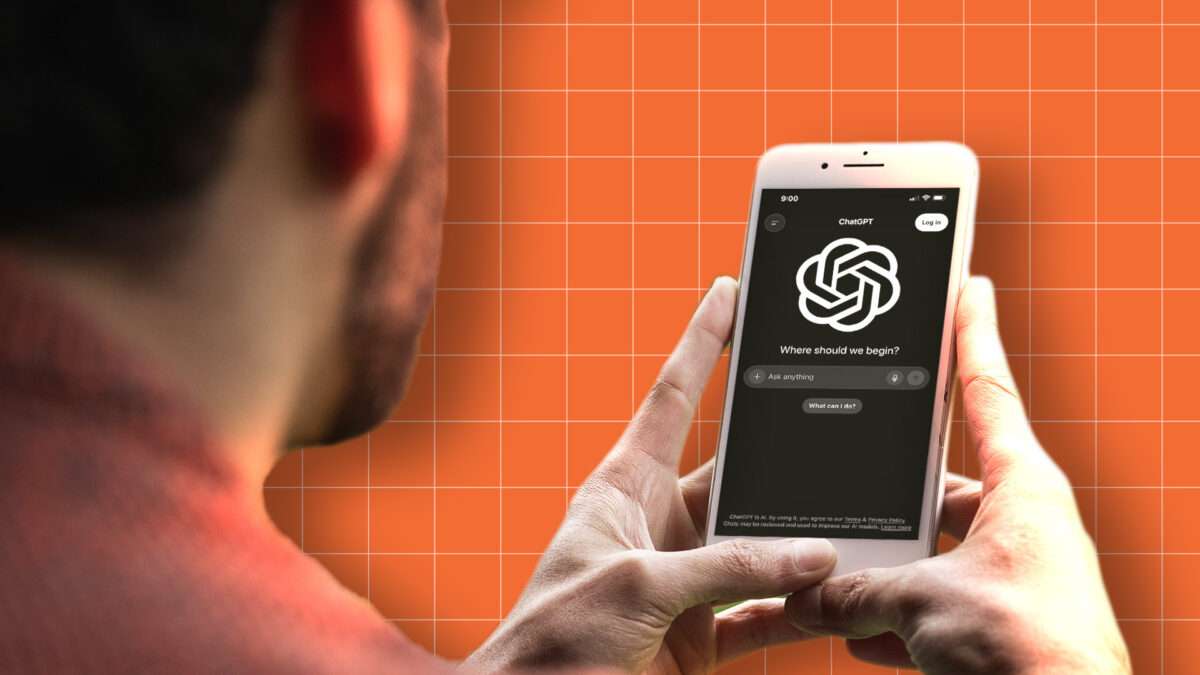
A former pastor filed suit against OpenAI, claiming ChatGPT provided dangerous medical guidance that endangered his health. The lawsuit represents a broader anxiety about artificial intelligence's role in healthcare decisions, yet it misdiagnoses the actual problem.
The plaintiff alleges he consulted the chatbot about medical symptoms and received advice that led to serious harm. His case feeds into growing concerns that consumers might rely on AI systems as substitutes for professional medical judgment. These worries contain legitimate elements. Language models like ChatGPT generate plausible-sounding text without medical training or accountability mechanisms. They cannot examine patients, run diagnostics, or adjust recommendations based on individual health histories.
However, the lawsuit conflates two separate issues. One involves AI's technical limitations in healthcare contexts. The other involves personal responsibility in seeking medical care. Chatbots carry prominent disclaimers warning users not to treat their outputs as medical advice. OpenAI's terms explicitly state that ChatGPT cannot replace professional medical consultation.
The real challenge in healthcare involves systemic factors, not merely technology. Americans delay or skip doctor visits due to cost, insurance barriers, and access limitations. Some lack nearby providers. Others cannot afford appointments. These gaps in the traditional healthcare system create conditions where people might turn to free internet resources, including AI chatbots, for health information.
Tech-enabled healthcare tools can genuinely help expand access. Telemedicine platforms, AI-assisted diagnostics, and digital health records improve outcomes when integrated properly into professional care. The issue arises when technology fills the void created by an inadequate healthcare infrastructure, rather than supplementing professional judgment.
The lawsuit against OpenAI essentially asks courts to impose liability standards on a company for users choosing to ignore explicit warnings about the tool's limitations. That approach does nothing to address why Americans felt compelled to seek health guidance from a chatbot instead of consulting qualified physicians. Fixing healthcare requires