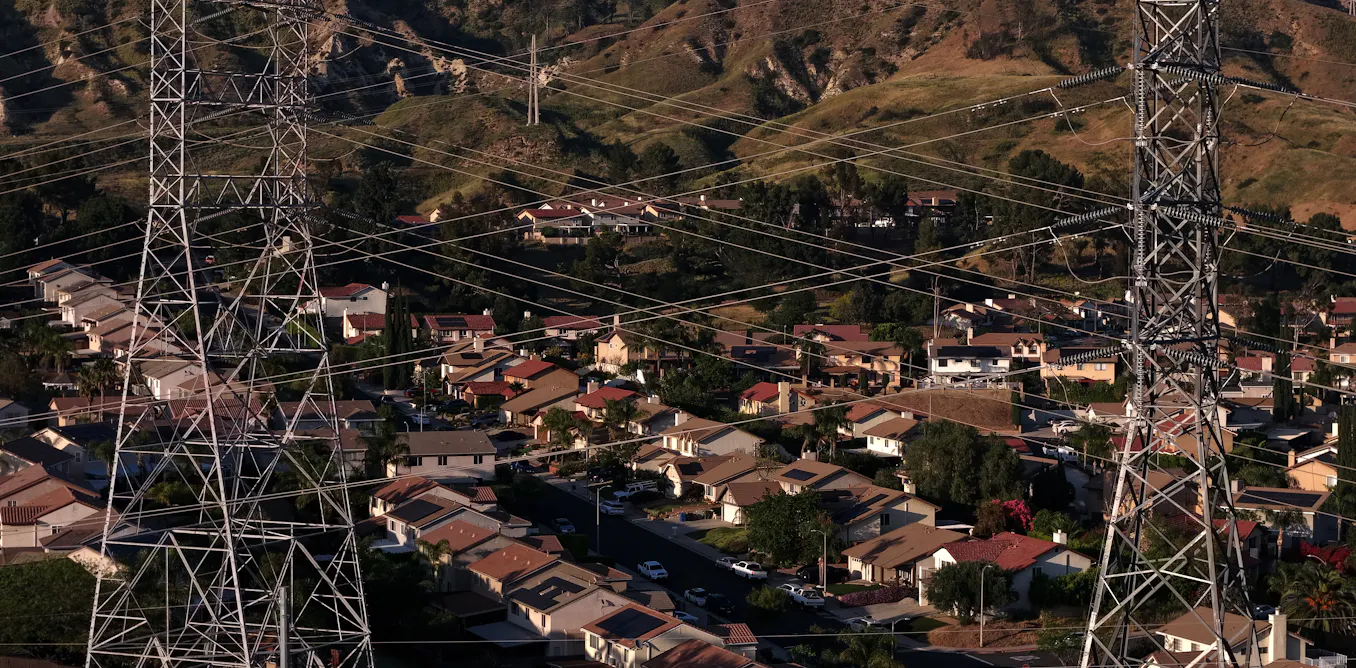
Power companies rely on eminent domain laws to seize private land for transmission infrastructure. These legal powers developed over decades to serve the public interest by delivering electricity to communities. The question now centers on whether those same powers apply when utilities build lines exclusively to serve single private entities like data centers.
Data centers consume enormous amounts of electricity. Tech companies have pushed utilities to construct dedicated transmission lines to their facilities. This creates a legal gray area. Traditional eminent domain assumes infrastructure serves the broader public. A transmission line serving millions of households differs fundamentally from one delivering power to a single corporate customer.
Several states have begun reconsidering their eminent domain statutes. Some lawmakers argue that private companies should not invoke public seizure powers merely to connect their operations. Others counter that robust data center infrastructure benefits the economy and employment.
The courts have not settled this definitively. Utilities in multiple states have filed petitions claiming they need land for data center transmission projects. Property owners have contested these seizures, arguing that private corporate benefit does not justify taking their land under public authority.
This dispute reflects tensions in energy policy. The nation needs upgraded electrical infrastructure to handle growing data demands. But that need must balance against fundamental property rights. If utilities can seize land for any private customer, the public purpose of eminent domain erodes significantly.
State legislators face pressure from both directions. Tech companies lobby for streamlined infrastructure approval. Property rights advocates demand protections against seizure for purely private projects. A few states have already tightened rules requiring utilities to prove public benefit before taking land. Others have maintained looser standards, treating all utility infrastructure equally.
The courts will likely clarify the legal standard eventually. Federal courts may weigh in if constitutional takings questions arise. Until then, property owners in states with weak protections remain vulnerable. The data center boom creates genuine infrastructure needs. But those needs should not override the principle that eminent domain serves public purposes, not