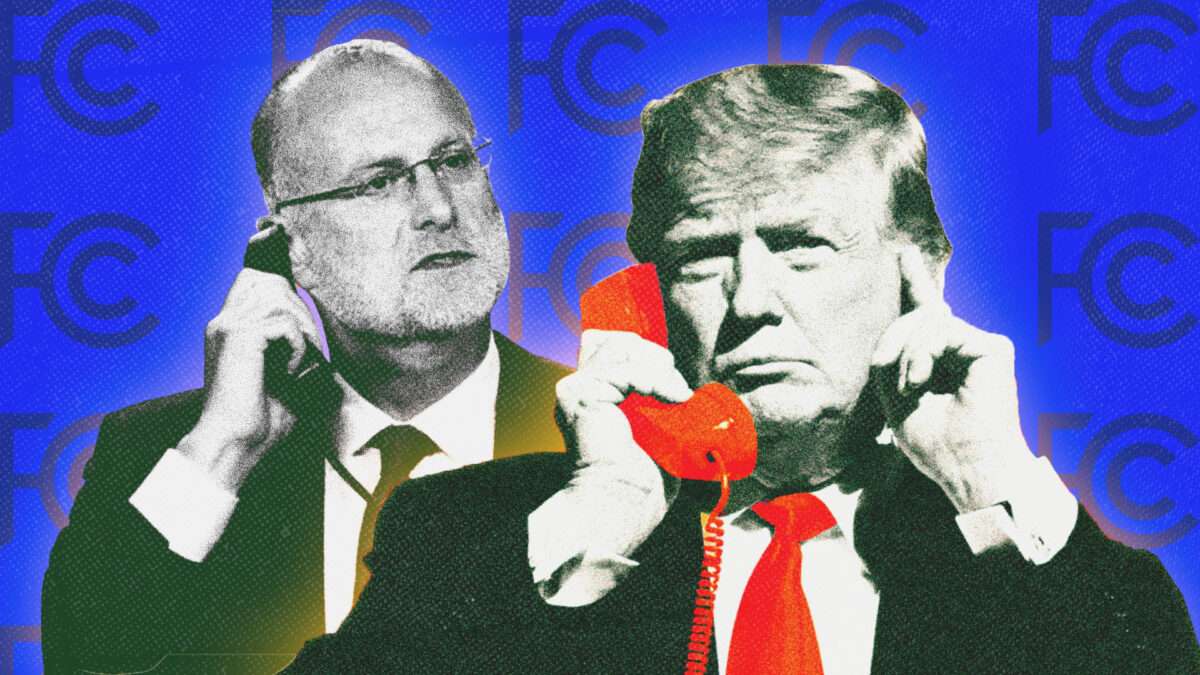
Donald Trump has escalated his rhetoric against media outlets he views as hostile, threatening to revoke broadcast licenses for stations that fail to meet his approval. FCC Chairman Brendan Carr has signaled openness to Trump's demands, effectively backing a campaign to intimidate news organizations into self-censorship.
Trump's threats target major broadcasters, particularly those covering his legal troubles and policy positions critically. The former president has specifically mentioned NBC, ABC, and other networks, claiming they spread misinformation and operate contrary to the public interest. These statements represent a direct attack on editorial independence protected under the First Amendment.
Carr's position proves troubling. The FCC chairman has suggested that broadcast licenses exist conditional on serving the president's conception of the public interest. This interpretation inverts longstanding precedent. The FCC does evaluate whether stations serve their communities, but this standard operates independently from partisan political pressure or presidential preference. Carr's implied framework transforms a regulatory mechanism into a tool for political retaliation.
The legal reality differs sharply from Trump's framing. Presidents lack unilateral authority to revoke broadcast licenses. The FCC technically holds that power, but courts have consistently rejected license revocation based on content disagreement or political speech. The Communications Act specifically prohibits the FCC from censoring broadcasts, and the First Amendment protects news organizations' editorial decisions.
Trump's campaign operates as intimidation. By repeatedly threatening license revocation, he attempts to discourage critical coverage without using formal legal mechanisms. News executives fear regulatory retaliation even if courts would ultimately block it, potentially leading to softer coverage or editorial caution.
Carr's apparent willingness to weaponize FCC authority represents a break from historical practice. Previous FCC chairs, regardless of party, maintained institutional independence from presidential demands. Carr's signals suggest the agency may abandon that tradition.
This confrontation tests fundamental principles about press freedom and executive