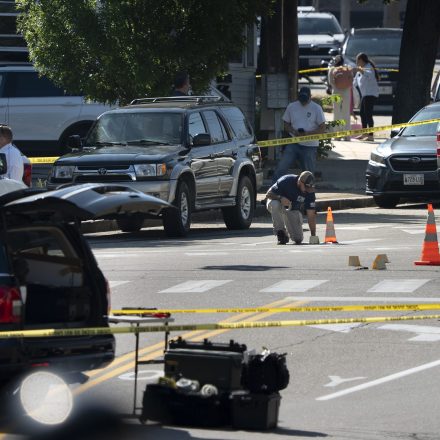
Immigration and Customs Enforcement has issued a new dress code mandate for deportation officers following a series of controversial incidents involving officer conduct. A leaked document reveals the agency banned jeans, hoodies, and graphic t-shirts from its code of conduct.
The policy update addresses operational security and professional standards for plainclothes and undercover officers. The restrictions mark an effort to establish clearer expectations after high-profile cases where officer conduct drew public scrutiny and legal challenges.
The timing of the directive connects to recent killings and a botched arrest involving ICE personnel. These incidents generated questions about officer training, accountability, and operational protocols. The dress code changes represent one administrative response, though they reflect broader debates over how federal immigration enforcement conducts raids and arrests.
The policy specifies what officers cannot wear rather than prescribing a formal uniform. This suggests ICE seeks to maintain plainclothes operational capacity while enforcing baseline professionalism standards. The distinction matters because undercover operations rely on agents blending into communities, but the agency apparently determined that certain casual clothing undermined officer credibility or professionalism.
The mandate applies to deportation officers during enforcement actions. Whether the policy extends to all ICE personnel or only those in plainclothes roles remains unclear from the leaked guidance.
The document's leak to The Intercept indicates internal discord over enforcement practices. Whistleblowers within federal agencies frequently surface operational details when they believe leadership is not adequately addressing misconduct or safety concerns. The disclosure suggests some ICE personnel view the dress code as an insufficient response to deeper accountability problems.
Civil rights organizations have criticized ICE enforcement tactics for years. Recent killings and failed arrests reignited calls for independent oversight of immigration enforcement. Mandatory dress codes do not address structural issues around use of force training, community policing standards, or civilian complaint mechanisms.
The Biden administration has faced pressure from both enforcement advocates demanding stronger