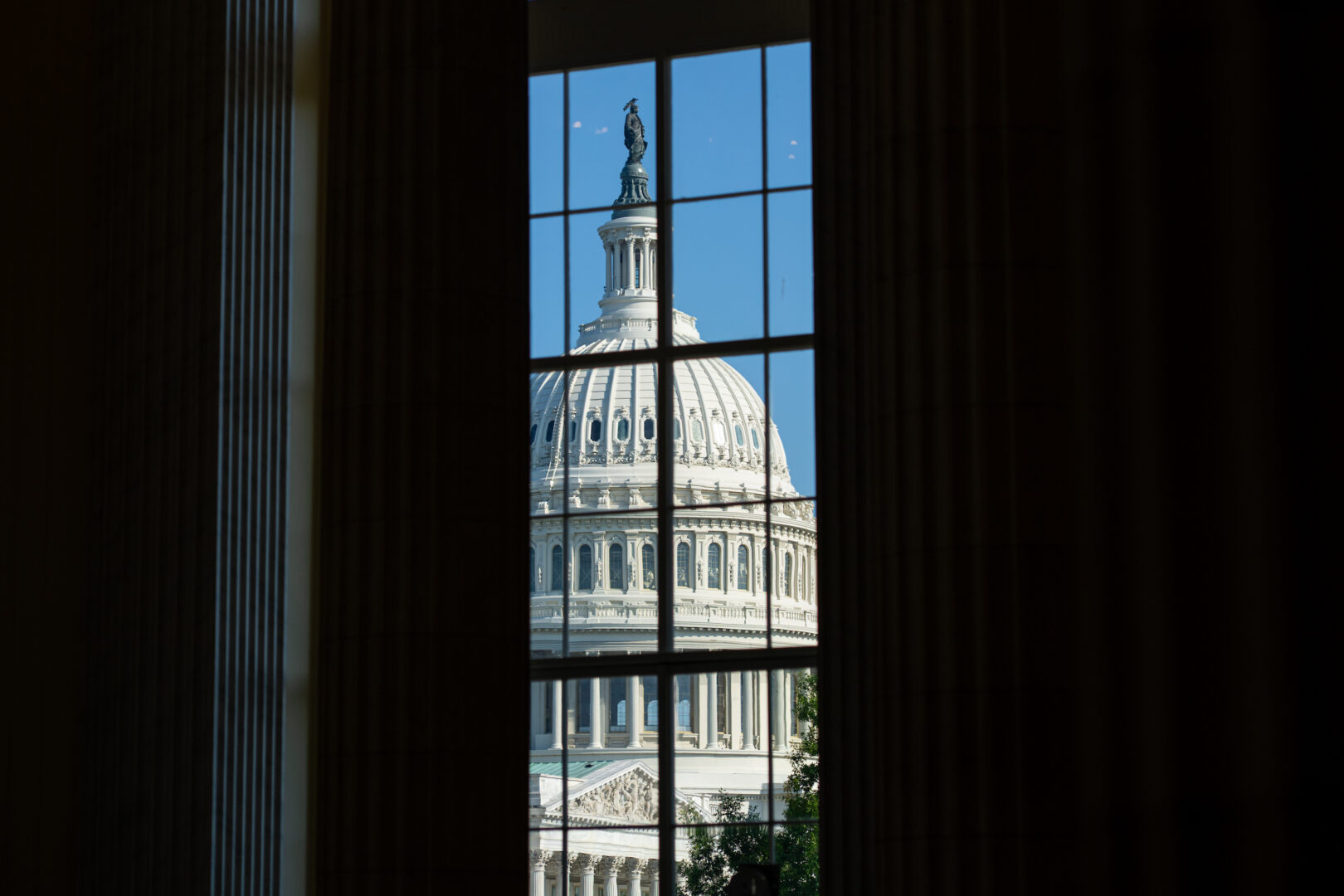
The House approved a short-term continuing resolution Tuesday evening to prevent a partial government shutdown this fall. The measure passed 220-205 largely along party lines, with Kentucky Republican Thomas Massie defecting to join most Democrats in opposition. Six Democrats crossed the aisle to back the spending patch.
The continuing resolution now heads to the Senate, where lawmakers plan to revise the legislation before sending it to President Biden's desk. The GOP-controlled chamber has signaled it will reshape the House version during its consideration.
Massie's opposition reflects growing conservative frustration with stopgap spending measures. The libertarian-leaning Republican has consistently voted against continuing resolutions, arguing they prevent meaningful budget debates and perpetuate excessive federal spending. His lone Republican defection underscores ongoing tensions within the GOP caucus over fiscal discipline and government funding priorities.
The six Democrats who supported the measure signal bipartisan willingness to avert a shutdown standoff ahead of the fall legislative calendar. These crossover votes suggest some Democrats share concerns about the disruption a shutdown would cause to federal operations and the broader economy.
Senate leadership faces pressure to move quickly. The current funding expires in September, making passage of either this continuing resolution or an alternative spending bill essential to keep the government operating. Majority Leader Chuck Schumer and Republican Minority Leader Mitch McConnell must navigate competing party priorities while avoiding the political fallout of a shutdown.
The Senate rewrite could address provisions objected to by either party. Republicans may seek amendments on border security or spending levels, while Democrats might push for language protecting specific programs. The chamber's deliberations will determine whether Biden receives a continuation of current spending levels or a modified spending framework.
The House passage represents the first step in a process that extends the current budgetary stalemate into the fall. Congress has increasingly relied on continuing resolutions to avoid shutdowns, postponing comprehensive budget negotiations for months