# Summary
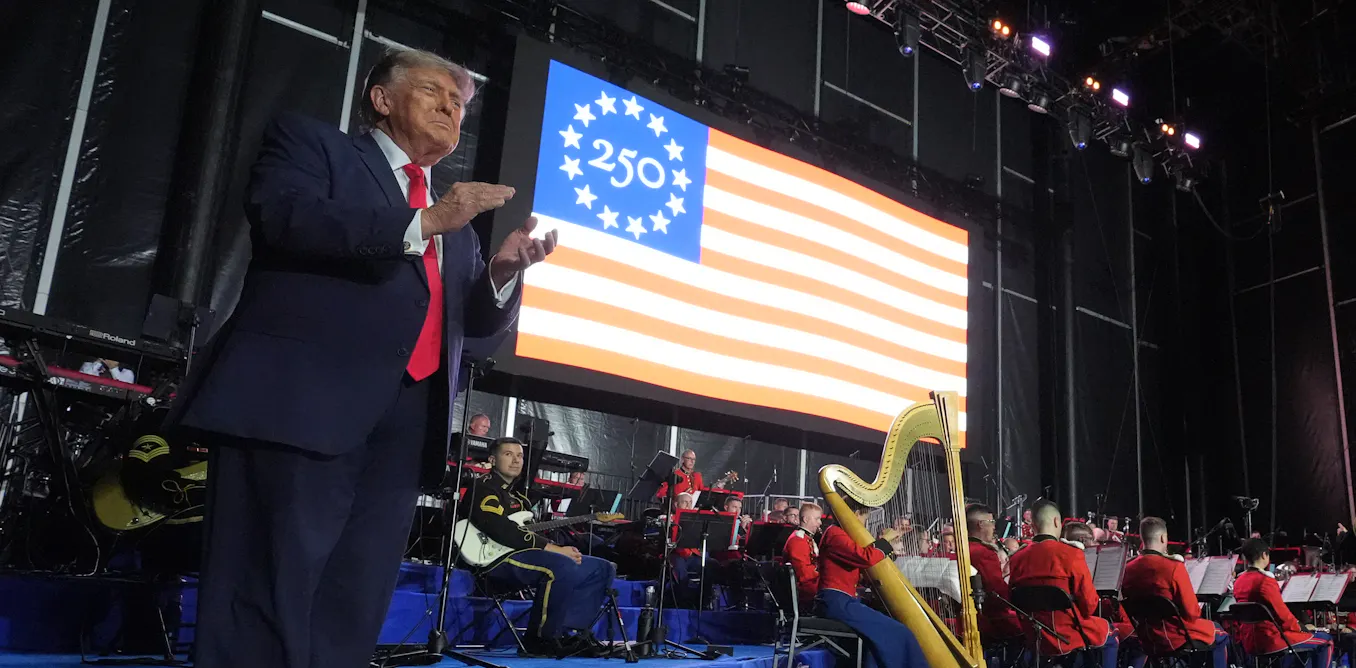
As the United States approaches its 250th anniversary in 2026, lawmakers have begun framing the milestone through partisan lenses, yet polling data reveals most Americans desire unity over division.
Congressional Republicans and Democrats disagree on how to commemorate the occasion. GOP lawmakers have emphasized traditional patriotic narratives and American exceptionalism, while Democratic counterparts push for acknowledgment of historical injustices and ongoing inequalities. These competing visions reflect deeper philosophical divides about national identity and historical interpretation.
The political divergence mirrors broader congressional gridlock. Both parties compete to control the anniversary's messaging, using the occasion to advance their electoral and ideological agendas rather than finding common ground on shared values.
Public sentiment tells a different story. Americans across demographic and political lines report believing the country shares more common ground than fractures separate it. Surveys show voters prioritize unity, shared purpose, and collective identity over partisan narratives. Citizens express frustration when elected officials weaponize national events for political advantage.
This gap between leadership and constituents creates an opportunity. The 250th anniversary could serve as a reset moment for national discourse, but only if lawmakers choose celebration over calculation. The challenge facing Congress centers on whether politicians can resist using the milestone as another battleground or whether they will embrace the electorate's appetite for unity.
The anniversary arrives at a moment of significant polarization. Both parties face pressure from their bases, yet voters consistently reward leaders who emphasize common purpose. How Congress approaches 2026 will signal whether the institution can transcend partisan positioning on matters of national importance.