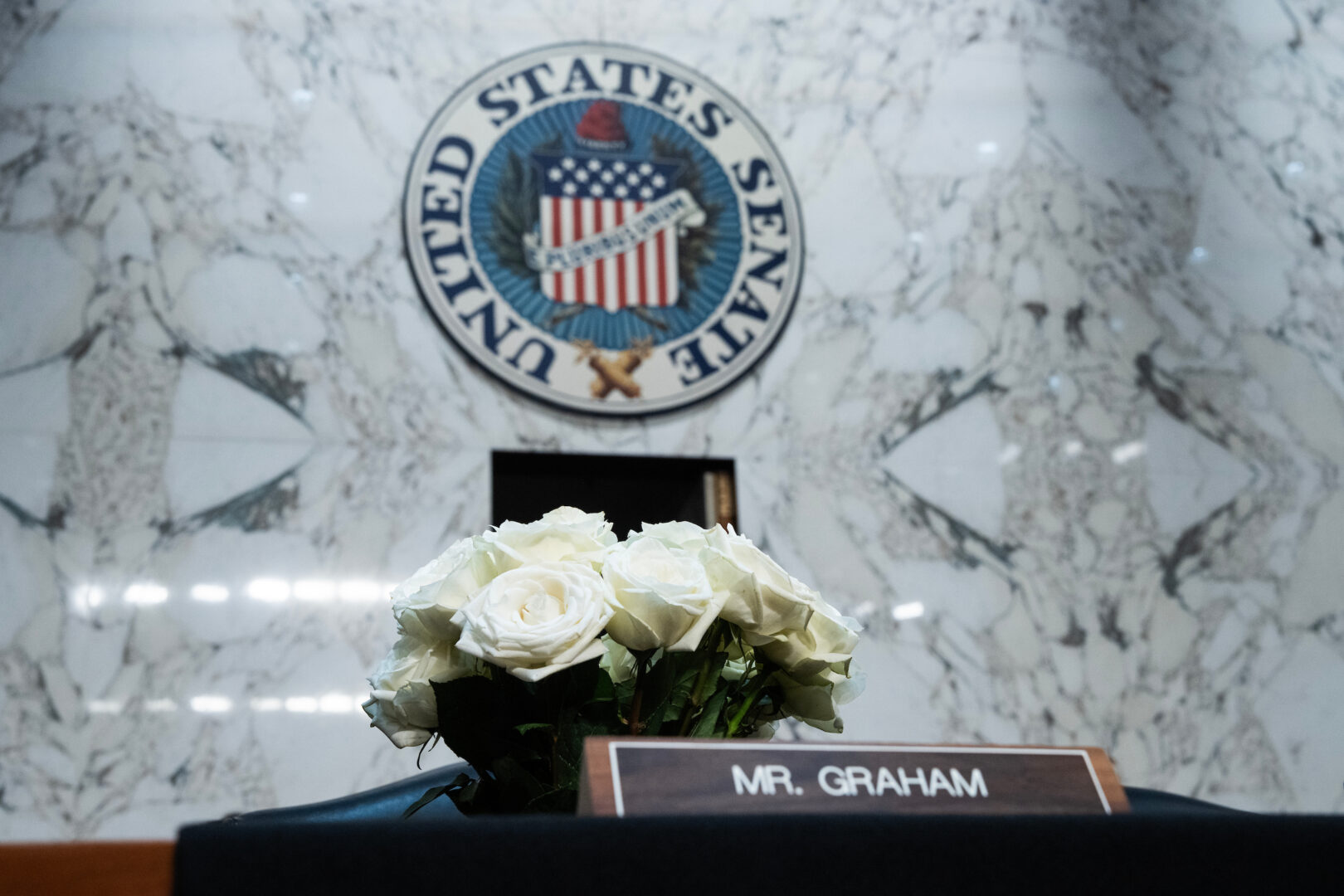
Senate Majority Leader John Thune announced plans to honor the late Senator Lindsey Graham with a Capitol Rotunda ceremony followed by a funeral service at the National Cathedral next Tuesday. Graham, the longtime South Carolina Republican, will receive the ceremonial recognition typically reserved for sitting or former members of Congress who held prominent positions.
Thune characterized Graham as more than a political colleague, calling him a personal friend to many senators and representatives. The dual tributes reflect Graham's nearly three decades in the Senate and his influence across both chambers of Congress. Graham served South Carolina from 1995 to 2024 in the House before his 2003 election to the Senate, where he remained a fixture in national politics and military affairs policy.
The Rotunda ceremony provides lawmakers the opportunity to pay respects before the formal funeral service at the National Cathedral, one of Washington's most prominent religious institutions. These state funerals typically draw senior government officials, former presidents, and dignitaries.
Graham maintained a complicated political profile throughout his career. He broke ranks with Republican leadership on several occasions, most notably after the January 6 Capitol riot when he initially criticized former President Donald Trump before reversing course. He remained a vocal advocate for increased military spending and interventionist foreign policy, particularly regarding Ukraine and Middle East conflicts.
His Senate relationships spanned party lines. Graham served alongside Democrats on the Judiciary Committee and collaborated with senators from both parties on defense and appropriations matters. His rhetoric frequently mixed sharp partisan attacks with calls for bipartisan cooperation on specific legislation.
The announcement of Graham's Rotunda ceremony confirms his status among the chamber's established figures, a recognition that acknowledges his long tenure and legislative record regardless of ongoing debates about his political evolution and consistency.