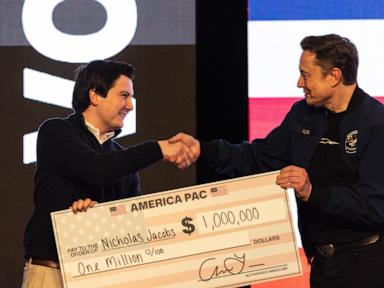
Wisconsin's bipartisan Elections Commission determined probable cause that Elon Musk violated state law through a scheme offering $1 million payouts to voters in the 2025 state Supreme Court election. The commission's findings mark a formal legal step forward in investigating whether the billionaire entrepreneur engaged in voter bribery or illegal inducements.
Musk's America PAC launched the giveaway during the final weeks before the election, offering daily $1 million prizes to registered voters in swing states who signed a petition supporting free speech and Second Amendment rights. The structure targeted politically consequential races, including Wisconsin's Supreme Court contest.
State election law prohibits offering money or valuable consideration to voters as an inducement to vote or register. Wisconsin statutes specifically bar payments designed to influence voting behavior. The bipartisan commission's probable cause finding suggests commissioners from both parties concluded sufficient evidence exists that Musk's actions crossed legal boundaries.
The determination carries procedural weight but stops short of conviction. The commission refers findings to prosecutors for potential criminal charges. Wisconsin district attorneys now hold discretion over whether to pursue prosecution against Musk or America PAC entities involved in administering the giveaway.
This represents one of several legal challenges facing Musk's political activities. Federal prosecutors and state officials across multiple jurisdictions have scrutinized the $1 million payout scheme. The billionaire has defended the initiative as legal voter engagement and free speech protection, arguing participants received money for signing a petition rather than for voting.
The timing compounds political implications. The 2025 Wisconsin Supreme Court election involved significant ideological stakes, with control of the court hanging in balance. An unfavorable finding against Musk could establish precedent limiting wealthy donors' ability to conduct cash-incentive voter contact campaigns in future elections.
The commission's action demonstrates bipartisan agreement that legal lines were crossed, suggesting the violation transcends partisan considerations