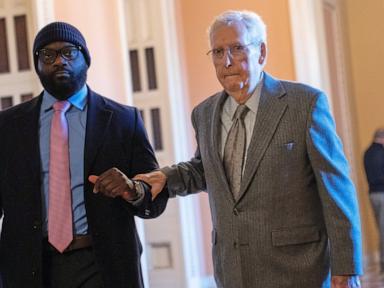
Sen. Lindsey Graham's unexpected death has thrust the debate over aging lawmakers into sharp focus. Graham, the South Carolina Republican and prominent Trump ally, served in the Senate for two decades and held considerable influence over the party's direction.
Graham's passing raises urgent questions about health disclosure requirements for elected officials. Currently, politicians face no mandatory medical evaluations or public health reporting standards, unlike other professions handling sensitive national security matters. Senators and representatives routinely serve into their 80s and 90s, yet voters receive limited transparency about their physical or cognitive fitness.
The Republican senator's death follows other health incidents involving elderly lawmakers. Recent years have seen multiple members of Congress experience strokes, falls, and cognitive episodes while serving. Some critics argue the legislative body needs formal health protocols before politicians take office and during their terms.
Congress has historically resisted health transparency measures. Lawmakers cite privacy concerns and argue voters can assess candidates' fitness through traditional means. However, medical experts contend that cognitive decline and serious illness can develop rapidly and affect decision-making capacity without obvious public symptoms.
The timing compounds concerns about succession in key positions. Graham's death creates a Senate vacancy and raises procedural questions about South Carolina's replacement process. His close relationship with Trump also leaves uncertainty about Republican leadership dynamics heading into the next election cycle.
Senate Majority Leader Chuck Schumer and other lawmakers acknowledged Graham's influence while sidestepping direct discussion of aging-related vulnerabilities. Some Democratic senators privately acknowledged the issue affects both parties equally, with several aging members on their side facing similar questions.
The debate reflects broader demographic shifts. The average age of Congress has climbed steadily. Many observers now call for voluntary health disclosure standards and regular cognitive assessments, though consensus remains elusive.
Graham's death will likely prompt renewed legislative discussions about health protocols, though passing binding measures faces steep political obstacles.