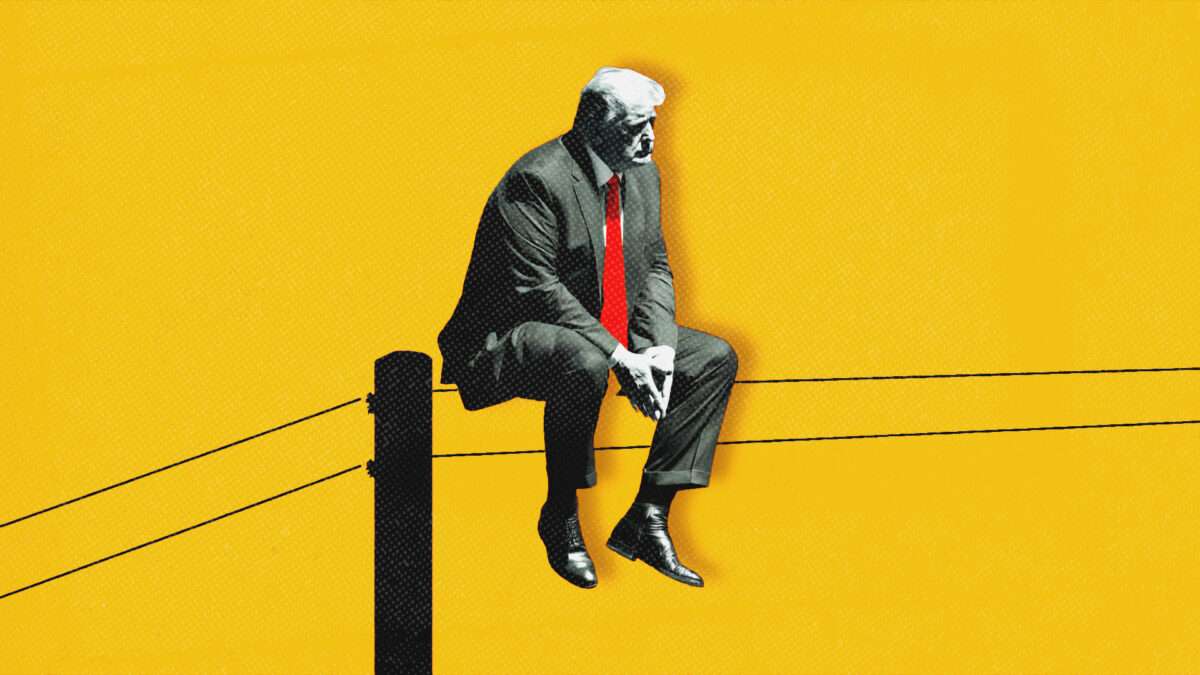
Donald Trump pledged during his 2024 campaign to cut electricity prices in half within 18 months of taking office. That deadline has now arrived, and the opposite has occurred. Electricity rates have risen approximately 18% since Trump assumed the presidency, according to data tracking utility costs nationwide.
Trump's price-cutting promise relied on deregulation and increased fossil fuel production, particularly natural gas and coal. His administration pursued policies aimed at rolling back environmental regulations and accelerating energy development. Despite these efforts, wholesale electricity prices climbed rather than fell.
Several factors contributed to rate increases beyond Trump's policy control. Grid demand surged due to artificial intelligence data centers, cryptocurrency mining operations, and industrial expansion. Supply chain disruptions affected construction of new power plants. Weather patterns influenced energy availability. Aging infrastructure required costly upgrades.
The disconnect between campaign rhetoric and market reality reflects the limited direct leverage a president wields over utility pricing. While federal energy policy shapes long-term market conditions, rates depend heavily on state regulators, local utility companies, fuel costs, and demand dynamics that transcend executive control.
Trump's promise joined a long list of campaign commitments that proved unachievable once governing constraints became apparent. The pledge resonated with voters frustrated by rising living costs, but it underestimated the complexity of energy markets and the lag time required for deregulatory policies to produce consumer savings.
The rate increases affect households across the country, particularly low-income Americans for whom electricity represents a larger share of monthly expenses. Republican-controlled states experienced comparable rate hikes to Democratic-led states, suggesting market forces rather than policy disagreements drove the increases.
This outcome demonstrates how campaign promises, even those framed as straightforward economic fixes, often collide with fiscal realities once implemented at scale.