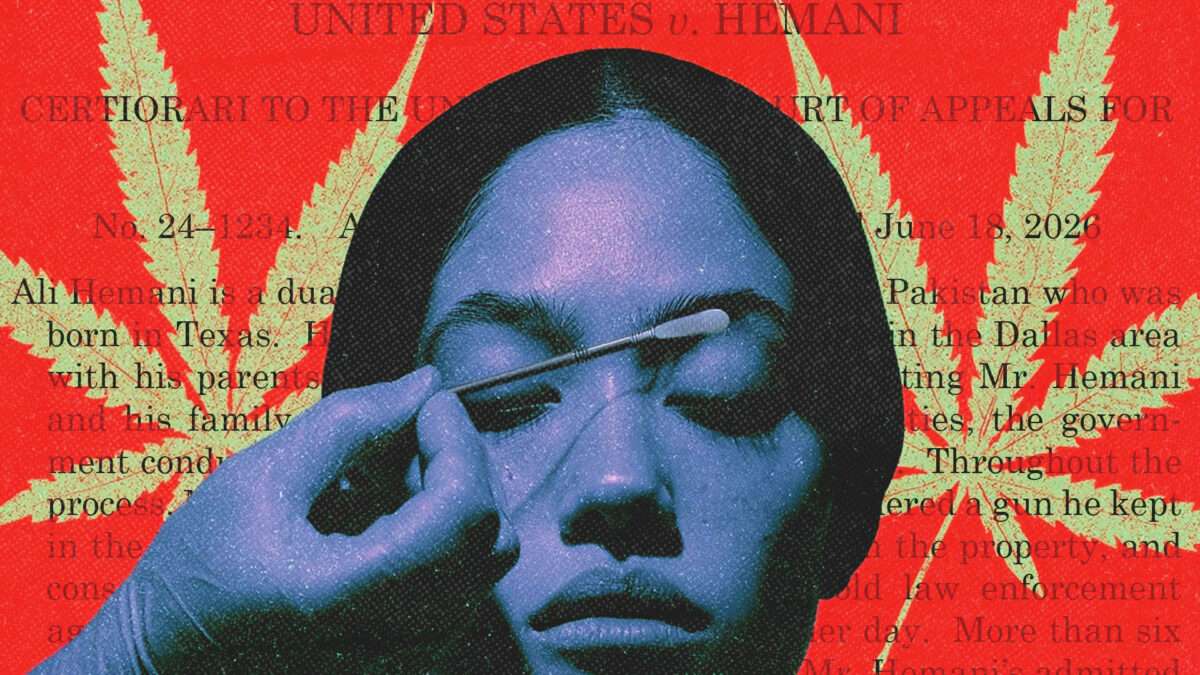
The Supreme Court's recent decision protecting gun rights for marijuana users has created an unexpected gap in employment law. While SCOTUS ruled that past cannabis convictions cannot serve as grounds for permanent firearm restrictions, states retain broad authority to deny or revoke professional licenses based on drug offenses, including marijuana convictions.
This distinction matters for millions of workers. Someone with an old marijuana conviction might successfully challenge a gun ban under the Court's reasoning. That same person could still lose their cosmetology license, massage therapy certification, or barber's permit based on the identical conviction. State licensing boards operate under their own statutory frameworks, which courts have not subjected to the same constitutional scrutiny applied to firearms.
The practical impact falls hardest on low-income individuals seeking economic mobility through skilled trades. Many states maintain blanket prohibitions against issuing licenses to anyone with drug convictions on their record, regardless of how old or how minor. A 20-year-old marijuana conviction can disqualify someone from hairdressing work decades later, effectively creating a permanent barrier to legitimate employment.
Legal scholars note the inconsistency reveals competing interpretations of proportionality and rehabilitation. The Supreme Court reasoned that permanent gun bans for marijuana offenses exceed constitutional boundaries. Yet state legislatures have delegated broad discretionary power to licensing boards, which typically interpret their mandates conservatively to protect public safety and professional standards.
Some states have begun reforming their licensing rules, allowing boards discretion to weigh the nature and age of convictions. Others maintain absolute bars. The disconnect between gun rights protection and occupational licensing suggests further litigation could emerge, though the Supreme Court has shown reluctance to second-guess state licensing decisions broadly.
This creates a peculiar legal landscape where constitutional protections against firearm restrictions coexist with sustained occupational barriers. Individuals cannot reliably predict whether an old drug conviction will block their path to employment, even as courts recognize