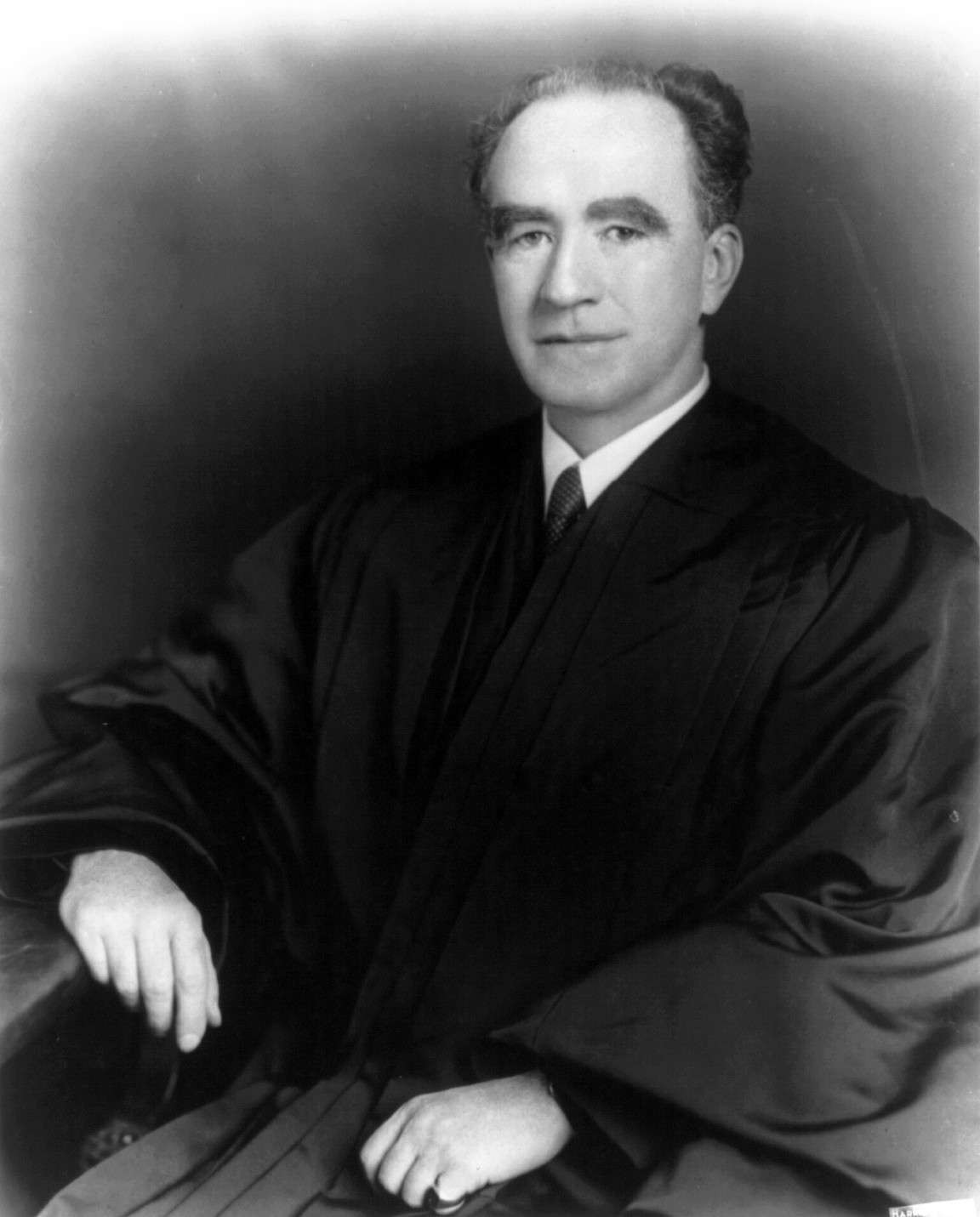
Justice Frank Murphy, a liberal stalwart of the Supreme Court, died on July 19, 1949, at age 59. Murphy served on the nation's highest bench from 1940 until his death, championing civil rights and civil liberties during a transformative period in American jurisprudence.
Murphy brought a populist streak to the Court, having previously served as governor of Michigan and attorney general under President Franklin D. Roosevelt. He cast decisive votes protecting workers' rights and religious freedoms, consistently siding with the most vulnerable members of society in disputes against government power and corporate interests.
His tenure coincided with World War II and the early Cold War, eras when the Court faced profound questions about individual liberty. Murphy wrote powerful dissents in cases involving Japanese American internment, arguing against the government's forcible removal of citizens from their homes based on ethnicity. His principled opposition to what he viewed as unconstitutional overreach reflected his bedrock belief that the Bill of Rights applied to all people.
On criminal procedure, Murphy pushed the Court leftward, advocating for defendants' rights in an era when law enforcement held broad discretion. He supported labor organizing and struck down state restrictions on union activities. His opinions spoke in moral terms, grounding constitutional interpretation in human dignity rather than narrow legal formalism.
Murphy's death deprived the liberal wing of the Court of one of its most passionate advocates just as the postwar period intensified ideological conflict. President Harry Truman appointed Tom C. Clark to fill the vacancy, shifting the Court's balance toward the center-right. Clark proved more deferential to government power and less sympathetic to civil liberties claims than his predecessor.
Murphy's legacy endured beyond his nine-year tenure. His dissents became touchstones for future civil rights lawyers and judges seeking historical precedent for expansive protections of individual liberty.