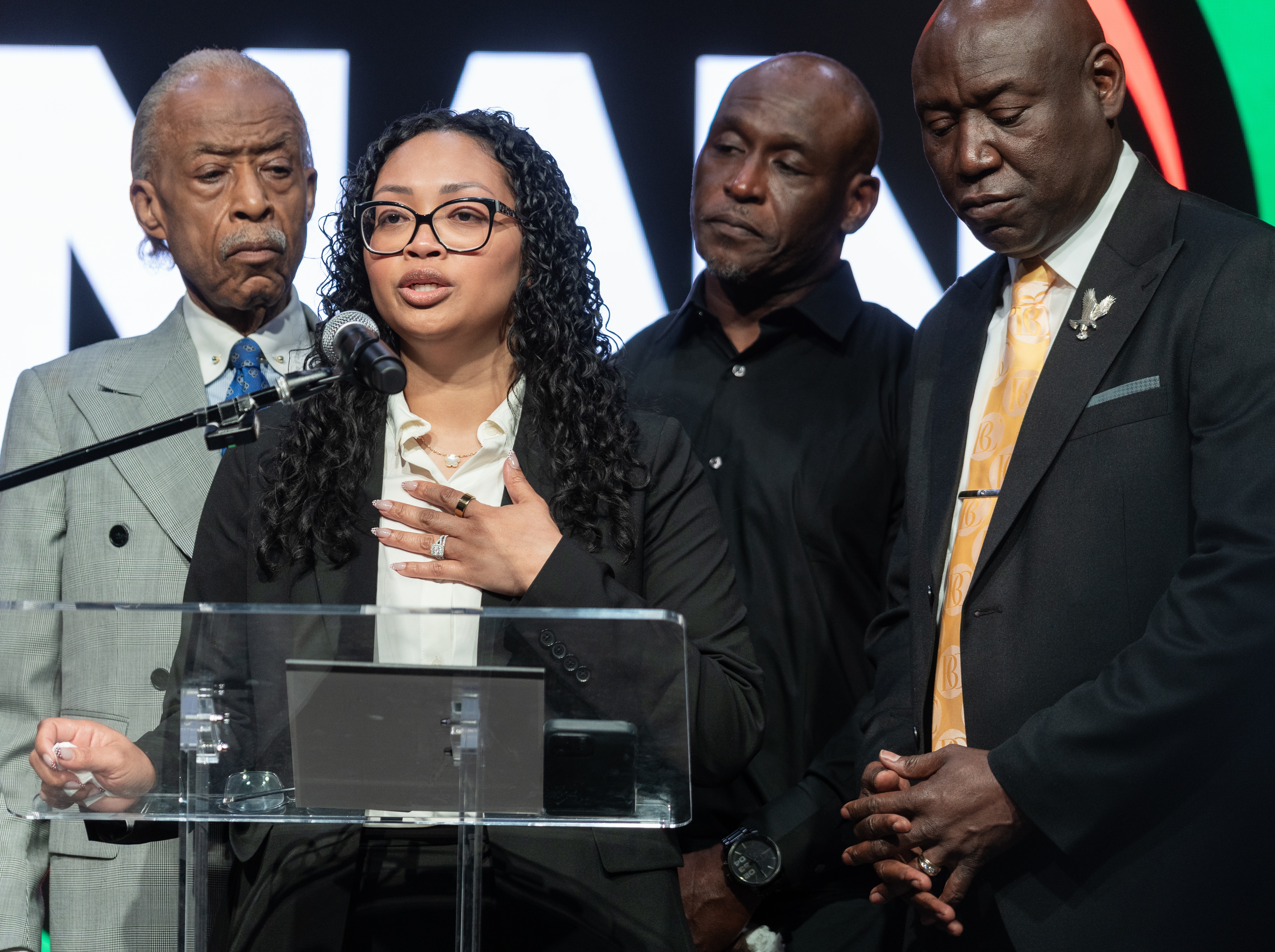
The Intercept published an opinion piece linking the deaths of Nolan Wells and Kohen Wiley to a broader pattern of racial injustice in America. The article frames these cases as evidence that the country is abandoning commitments to equal rights and protection under law.
The piece does not provide detailed case facts in the available excerpt, but positions these deaths within a larger argument about systemic racism and police violence affecting Black Americans. The Intercept, a left-leaning investigative outlet, has consistently covered police killings and racial disparities in law enforcement as part of its editorial mission.
The article reflects ongoing national debate over policing, criminal justice reform, and racial equity. These conversations intensified following George Floyd's 2020 death and have remained central to Democratic Party messaging, while Republicans have generally resisted calls for sweeping police reforms. The framing of individual deaths as "symptoms" of institutional failure represents the progressive argument that racial violence reflects structural problems rather than isolated incidents.
Without full article text, the specific details of Wells' and Wiley's cases remain unclear from this excerpt. However, The Intercept typically examines police conduct, systemic racism, and accountability failures in such pieces. The headline's emotional language, "Scary as Hell," signals an opinion-forward approach rather than straight news reporting.
This type of content shapes Democratic messaging on racial justice ahead of elections and influences debate within progressive circles about police accountability and civil rights. How major incidents are framed by national media outlets affects public perception, political pressure on elected officials, and calls for legislative action on criminal justice issues.