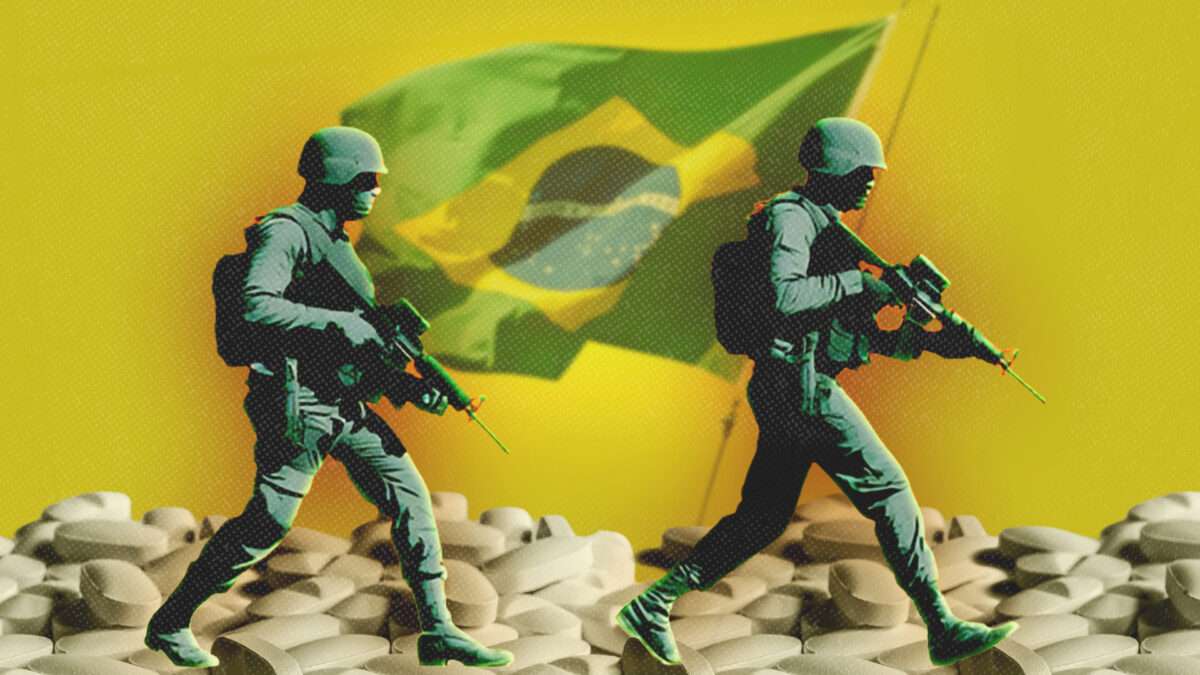
The Trump administration and Republican lawmakers have renewed calls to designate major drug cartels as "narcoterrorists," a move that frames criminal organizations as military threats rather than law enforcement problems. This shift in language carries profound implications for how the U.S. conducts drug policy and military operations.
Proponents argue the designation accurately reflects cartels' increasing violence and territorial control. Mexico's Sinaloa Cartel and Jalisco New Generation Cartel operate with military-style discipline, command private armies, and wage sustained campaigns against government forces. Brazil's experience demonstrates similar patterns, with organized crime groups controlling entire neighborhoods and challenging state authority.
However, the "narcoterrorist" label creates legal and practical complications. It blurs distinctions between criminal enterprises and ideologically motivated extremist groups, potentially justifying expanded military interventions in countries where the U.S. has limited authority. Designating cartels as foreign terrorist organizations requires Congressional approval and triggers diplomatic complications with Mexico and other affected nations.
The military framing also risks obscuring root causes. Drug demand in the United States drives cartel profitability and violence. Supply-side military approaches have failed repeatedly across decades of drug war policy. Colombia's intensive aerial spraying and military aid cooperation did not eliminate cocaine production. Similar strategies in Afghanistan proved equally ineffective.
Calling cartels "narcoterrorists" shifts focus from domestic addiction treatment and criminal justice reform toward military solutions. This rhetorical move justifies expanded defense budgets, foreign military aid, and broader surveillance powers rather than addressing the structural incentives that make drug trafficking lucrative.
Brazil's gang violence shows the limits of militarized responses. Rio de Janeiro's pacification operations and military interventions have not eliminated trafficking organizations, which adapt tactics and relocate operations. Designation changes in the U.S. will not alter these dynamics.
The "narcoterrorist