AIPAC, the pro-Israel advocacy group, has unleashed record spending in Michigan's Democratic Senate primary, injecting tens of millions of dollars into the race and creating a direct test of its political power.
U.S. Representative Haley Stevens, a Democrat from Michigan, has become the primary beneficiary of this unprecedented financial support. The spending surge reflects AIPAC's determination to shape the outcome of a consequential Senate race in a crucial swing state.
The organization's financial muscle has transformed the primary into a proxy battle over Middle East policy within the Democratic Party. Stevens faces competition from other Democratic candidates, but AIPAC's backing gives her a substantial advantage in television advertising, digital outreach, and grassroots mobilization.
This spending level exceeds AIPAC's previous financial commitments in Senate races, signaling the organization's view that Michigan represents a watershed moment for its influence. The group has traditionally maintained a bipartisan posture, but its concentrated effort here reveals how it now operates as a direct player in Democratic primary contests.
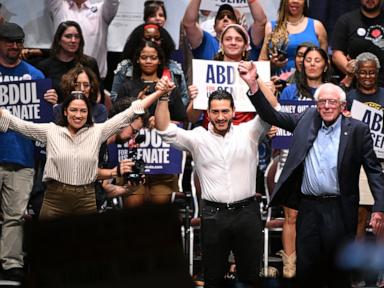
AIPAC's strategy carries political risks. Progressive Democrats have grown increasingly critical of the organization's approach to Israel-Palestine issues, and candidates backed by AIPAC face potential challenges from voters who prioritize Palestinian rights. The spending could energize opposition within the party's left wing.
Stevens has embraced AIPAC support while attempting to maintain broader party unity. She has articulated strong support for Israel's security while engaging with diverse constituencies across Michigan.
The race tests whether AIPAC's financial resources translate into nominating power within Democratic primaries. A Stevens victory would validate AIPAC's strategy of direct primary intervention. A loss would suggest limits to money's influence when confronting grassroots opposition or competing policy priorities among Democratic voters.
The outcome carries implications beyond Michigan. Other Senate primaries in coming election cycles will watch closely to