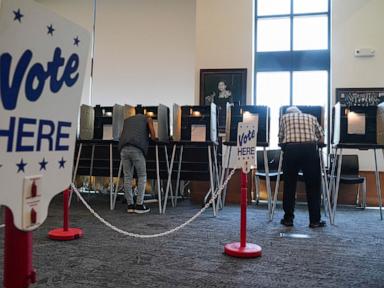
President Donald Trump announced he is deploying federal power to prevent elections from being "stolen," a statement that reflects ongoing Republican concerns about election security while drawing scrutiny from Democrats who view such interventions as potential threats to voting access.
Trump's remarks center on what Republicans characterize as vulnerabilities in the American voting system. The GOP has long pushed for stricter voter ID requirements, ballot verification measures, and enhanced poll monitoring. Trump's invocation of federal authority signals his administration intends to pursue these policies through executive action and federal oversight.
The statement reignites a central political divide. Republicans argue that robust election security protects democratic integrity by preventing fraud and unauthorized votes. Democrats counter that federal intervention disproportionately affects minority voters and low-income citizens who lack required identification or face barriers to voting access.
Election administration in the United States operates as a decentralized system. States manage voter registration, ballot design, and voting procedures. Local election officials conduct polls. This fragmentation creates different standards across jurisdictions. Republicans argue this patchwork invites manipulation. Democrats emphasize that decentralization protects against centralized abuse of power.
Election security encompasses multiple layers. Paper ballot backups, risk-limiting audits, and bipartisan election observer programs exist in many states. The 2020 presidential election involved intensive security reviews. The Cybersecurity and Infrastructure Security Agency called it "the most secure election in American history." Multiple recounts and audits found no evidence of widespread fraud affecting outcomes.
Trump's call for federal election security measures represents a continuation of Republican strategy since 2020. The former president has repeatedly contested that election results were legitimate. Congressional Republicans have proposed federal voting restrictions. These proposals face Democratic opposition in a divided Congress.
The political stakes remain high. Election procedures directly affect which voters participate and how easily they cast ballots. Federal versus state control over elections involves constitutional questions about federalism. The 2