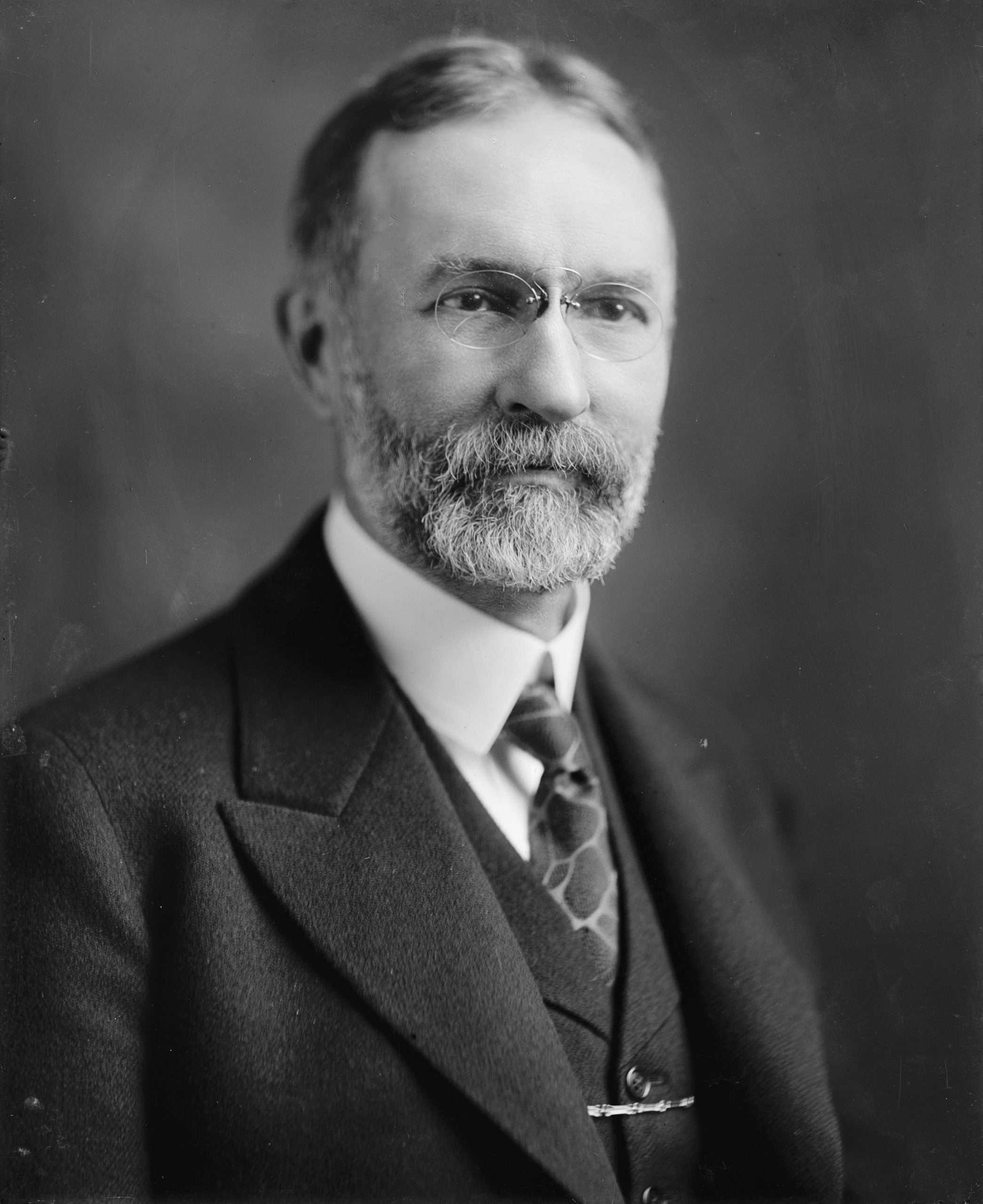
Justice George Sutherland died on July 18, 1942, ending a 16-year tenure on the Supreme Court that fundamentally shaped American constitutional law during the Great Depression and the early New Deal era.
Sutherland, a Republican appointed by President Warren G. Harding in 1922, became one of the Court's most influential conservative voices. He led the judicial resistance to Franklin D. Roosevelt's New Deal legislation, authoring opinions that struck down key recovery programs as violations of the Commerce Clause and the separation of powers.
His most consequential decision came in 1935 when he wrote the majority opinion in Schechter Poultry Corp. v. United States, invalidating the National Industrial Recovery Act. The ruling delivered a severe blow to Roosevelt's economic agenda and temporarily froze the administration's regulatory strategy.
Sutherland also championed a restrictive view of federal power over interstate commerce. He consistently voted to limit Congress's authority, believing the Constitution's text imposed genuine limits on government expansion. This ideological rigidity clashed with Roosevelt's expansive view of executive and legislative power needed to combat economic collapse.
However, Sutherland's jurisprudence evolved on some civil liberties questions. In Powell v. Alabama (1932), he wrote for the majority protecting the Scottsboro Boys' right to adequate legal counsel, establishing that due process required meaningful assistance from counsel in capital cases.
His death in 1942 came at a pivotal moment. The Court had already begun shifting toward upholding New Deal legislation following Roosevelt's court-packing threat in 1937. Sutherland's departure removed a final obstacle to the expanding regulatory state.
Roosevelt nominated Wiley Rutledge, a New Deal sympathizer, to fill the vacancy. This succession cemented the constitutional revolution that allowed the federal government broad power over economic affairs,