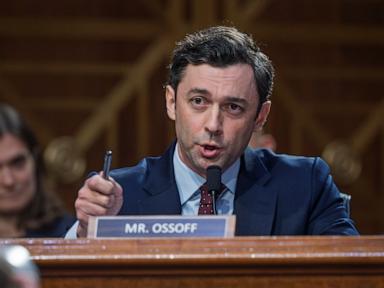
Georgia Democratic Senator Jon Ossoff built his reelection campaign around direct attacks on President Donald Trump, drawing national attention and support from the left wing of his party. Ossoff, who won his 2020 special election as part of Democrats' historic Georgia Senate gains, framed Trump as a threat to democracy and the rule of law.
The senator's strategy reflects the Democratic playbook heading into his 2026 reelection battle. By centering Trump in his messaging, Ossoff sought to energize the party base and consolidate support among voters who prioritize opposition to the former president. His approach resonated with progressive activists and major Democratic donors, positioning him as a forceful voice against Republican leadership.
Ossoff's campaign rhetoric emphasized Trump's legal troubles, his role in the January 6 Capitol riot, and his policies. The senator's willingness to make Trump the centerpiece of his political message aligned with how other vulnerable Democrats campaign in competitive states. This strategy hinges on the assumption that Trump remains unpopular enough to drive Democratic turnout in Georgia, a state that has swung between parties in recent election cycles.
The Georgia senator's approach carries both opportunity and risk. While attacking Trump mobilizes the Democratic base, it also invites Republican counterattacks focusing on Ossoff's legislative record and voting patterns in the Senate. Republicans have targeted Ossoff as too liberal for Georgia, pointing to his votes on inflation, energy policy, and social issues. His 2020 victory came by a narrow margin in a special election that drew record turnout, suggesting any 2026 race will be competitive.
Ossoff's campaign illustrates the broader Democratic strategy of making Trump central to their electoral messaging. Whether this tactic succeeds depends on sustained opposition to Trump among Georgia voters and whether Democrats can drive turnout comparable to 2020 levels. The senator must balance national party support with appeals