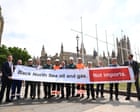
Andy Burnham faces internal party resistance over plans to reverse Labour's election pledge on North Sea oil and gas exploration. The incoming Prime Minister is expected to announce new drilling licences when he takes office, breaking a manifesto commitment to honor existing permits while blocking new ones.
Labour MPs have warned Burnham that reversing this position could trigger his first major confrontation with backbenchers. The manifesto explicitly pledged not to issue new exploration licences, framing the policy as part of Labour's environmental credentials during the campaign.
The shift reflects competing pressures on the new government. Energy security concerns and potential economic benefits from North Sea development appear to have swayed Burnham's thinking since the election. Yet party activists and environmentally-minded MPs view new drilling as incompatible with Labour's climate commitments.
Burnham's team has not publicly confirmed the drilling announcement ahead of his Monday entry to Downing Street. The timing matters considerably. Early reversal of a core campaign promise could undermine his authority with backbenchers at a critical moment when party discipline remains fragile and morale among activists runs high after Labour's election victory.
The North Sea remains economically important to Scotland and parts of northern England, giving the issue regional political weight beyond pure climate politics. Some Labour strategists argue that managing energy supplies while maintaining manufacturing competitiveness requires pragmatism on fossil fuels. Others contend that new oil contracts contradict the party's stated net-zero ambitions and damage credibility with younger voters and green-focused constituencies.
This dispute previews broader tensions Burnham must navigate. Labour entered government with ambitious climate pledges but also promises to support working-class communities dependent on traditional industries. How the Prime Minister balances these competing commitments will shape both his legislative agenda and party cohesion during his first months in office.