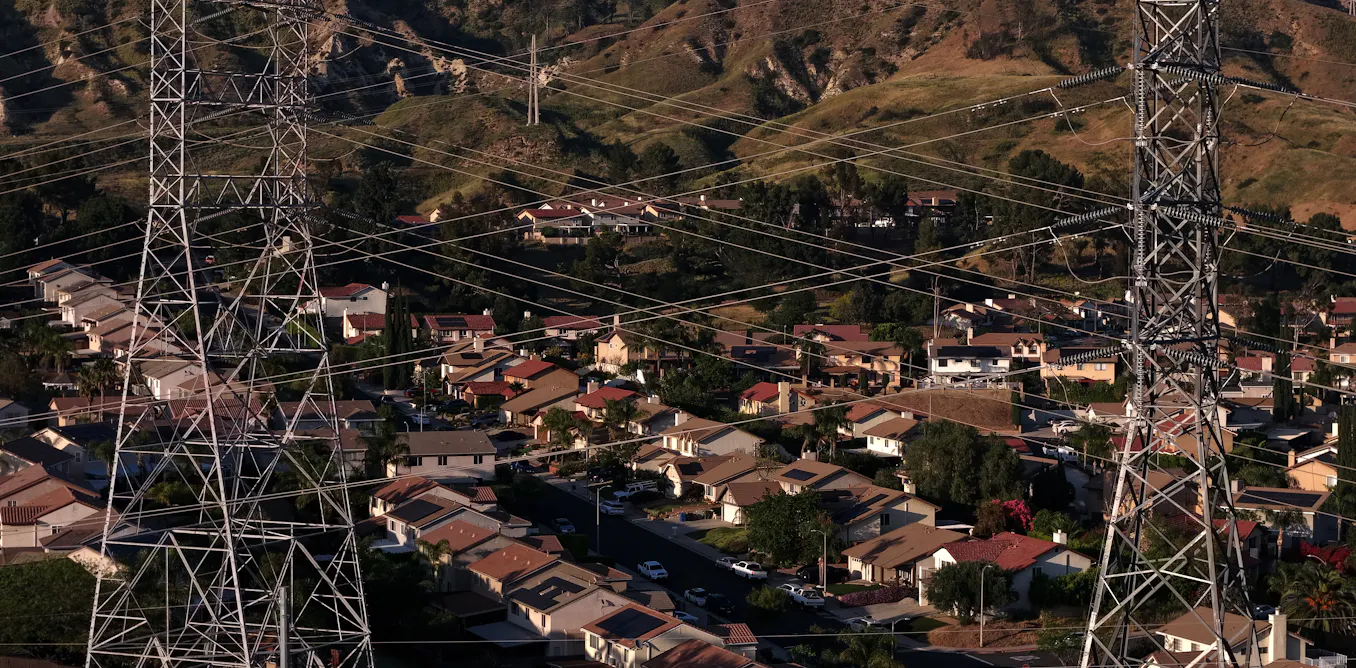
Power companies operate under eminent domain authority that lets them seize private land for public infrastructure like transmission lines. That legal framework now faces a test as data center operators demand massive electricity supplies, forcing utilities to build new infrastructure directly to serve single corporate customers rather than the broader grid.
The core question is whether infrastructure built exclusively for a private data center constitutes a public use, which is required for eminent domain takings under the Fifth Amendment. Traditionally, courts have upheld utility seizures of property for transmission lines because they serve the general public. Data center connections blur this distinction.
Microsoft, Amazon, Google, and other tech giants are driving demand for dedicated power infrastructure as they race to build artificial intelligence and cloud computing capacity. Utilities argue they should retain eminent domain powers to build these connections, treating data centers as sufficiently public-serving infrastructure. The companies generate jobs, tax revenue, and provide services millions depend on.
Property owners and some state regulators dispute this reasoning. They contend that when electricity flows to a single private customer, the taking serves private benefit, not public purpose, even if that customer is a major corporation. Virginia and other states have grappled with these disputes as data center development accelerates.
Courts have not yet definitively resolved whether utilities can invoke eminent domain for data center-specific infrastructure. The answer will shape whether property owners can block these projects or whether tech companies can compel land sales through their utility partners. Several state legislatures have begun drafting rules to clarify the standard. Some proposals would allow utilities to take land for data center connections under existing law. Others would require utilities to prove broader grid benefits or negotiate directly with landowners.
The outcome matters beyond property rights. Data centers require vast amounts of electricity, and infrastructure delays could slow AI development and cloud expansion. Conversely, weakening property protections could accelerate land seizures for corporate infrastructure, raising questions about who bears the costs of