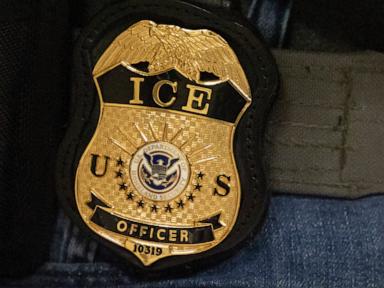
Immigration and Customs Enforcement faces scrutiny over its aggressive hiring practices after a Maine shooting raised questions about officer vetting procedures. The agency has been rapidly expanding its workforce, bringing on thousands of new officers in recent years as the Trump administration prioritizes enforcement operations.
The incident has prompted lawmakers and oversight officials to examine whether ICE's accelerated recruitment adequately screens candidates before they join the force. Rapid hiring timelines can create gaps in background investigations, psychological evaluations, and training protocols that might otherwise catch red flags.
ICE currently employs approximately 20,000 officers and has been tasked with expanding enforcement capabilities targeting undocumented immigrants. The agency's growth strategy accelerated under the previous Trump administration and has continued under the Biden administration's mixed immigration enforcement approach. However, this expansion has not been matched by corresponding increases in training infrastructure or vetting resources.
The Maine shooting case highlights risks inherent in scaling any law enforcement agency without proportional investment in quality control. Officers with prior disciplinary issues, mental health concerns, or behavioral problems may slip through if background checks remain cursory or incomplete. Such lapses undermine public safety and the agency's credibility.
Congressional Democrats have called for ICE to slow its hiring and strengthen vetting standards. They argue that the agency should prioritize thoroughness over speed. Republicans counter that staffing constraints have hampered enforcement operations and that ICE needs additional personnel to accomplish its mission.
The controversy arrives as ICE faces ongoing criticism over detention practices, workplace culture, and accountability mechanisms. The bureau operates with significant autonomy within the Department of Homeland Security, which has limited the effectiveness of external oversight. This incident places renewed pressure on DHS leadership to implement stricter hiring standards and ensure that ICE applicants receive comprehensive background investigations before receiving badges and weapons.
Whether the agency will adjust its hiring practices remains unclear, but the Maine shooting has elevated the conversation about balancing rapid growth with