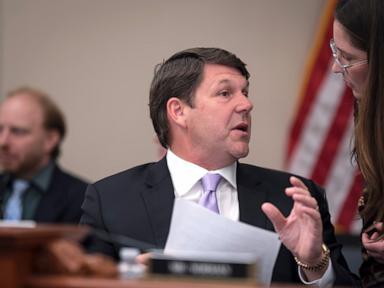
House Republicans advanced a $95 billion spending package through the Budget Committee that bundles military aid for potential Iran conflict with farm subsidies and voting restrictions backed by President Donald Trump.
The proposal combines three distinct policy priorities into a single legislative vehicle. The Iran war component funds military preparations and potential operations against Tehran. Farm aid addresses agricultural sector support, a key concern for rural Republican constituencies. The voter ID requirements represent Trump's election security agenda, requiring stricter identification standards at polling places.
Republicans structured the package to leverage their chamber majority and push multiple agenda items simultaneously. By bundling policies, GOP leadership increases leverage with moderate members who support some provisions but resist others. Democrats face a choice between accepting unpopular elements to secure funding for their preferred programs or rejecting the entire package.
The Budget Committee's approval moves the proposal toward a House floor vote. Committee passage represents the first procedural hurdle but faces potential complications in full chamber debate. Senate approval remains uncertain, with Democrats holding leverage in the upper chamber on spending measures.
This approach reflects broader Republican strategy under Trump. Party leaders consistently attach voter ID mandates and defense spending to larger bills, forcing Democratic compromise or accepting responsibility for blocked legislation. Trump specifically demanded the voter ID provisions, signaling these restrictions represent a White House priority rather than merely a Republican committee preference.
The Iran war funding reflects heightened tensions with Tehran and Trump administration positions on Middle East military posture. The scale of authorized spending suggests preparation for sustained operations rather than limited strikes.
Agricultural Democrats and swing-state Republicans face internal pressure over this package. Farm-state members benefit from subsidy increases but must reconcile support with Democratic opposition to voter ID measures. The bundled approach deliberately creates these cross-cutting pressures.
The measure now advances toward House floor consideration, where procedural votes will test Republican unity and Democratic resolve.