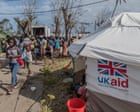
Labour's government has implemented foreign aid cuts that reduce bilateral support to some African countries by up to 90%, according to Foreign Office figures released in the department's annual report. The Foreign and Commonwealth Development Office disclosed the breakdown of how the aid budget reduction will affect individual nations over the next three years.
The cuts represent a dramatic shift in UK development assistance. Several African nations face near-total elimination of direct bilateral aid from Britain, marking one of the steepest reductions in the government's international development spending. The Foreign Office figures reveal the geographic scope and depth of the reductions across the continent.
Critics argue the cuts send a broader message about Britain's role on the world stage. Opposition figures and development advocates contend that slashing aid to African countries signals Britain's retreat from international development commitments and its influence in regions where other global powers, particularly China, have expanded their presence and investment.
The aid budget reductions stem from Labour's fiscal consolidation efforts announced after taking office. The government justified the cuts as necessary austerity measures to address Britain's fiscal challenges. However, development organizations and foreign policy experts warn that the scale of the reductions to bilateral aid could damage UK diplomatic relationships, undermine development gains in recipient countries, and weaken Britain's standing in international forums.
The Foreign Office's decision to maintain some bilateral aid programs while drastically cutting others reflects strategic prioritization. The department appears focused on concentrating remaining aid resources in countries aligned with stated UK foreign policy priorities, though the criteria for those decisions remain contested.
The revelation of specific country-level aid cuts comes amid broader debate over Britain's place in global development and international relations. Development agencies and NGOs operating in affected African countries now face funding cliffs that will force program closures and staff reductions.