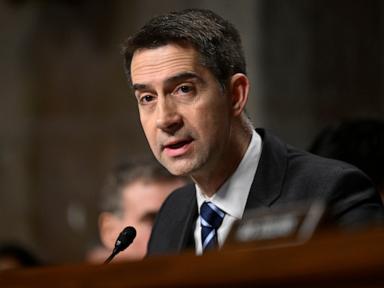
The Senate Intelligence Committee will hold a confirmation hearing for Jay Clayton, Trump's nominee to lead the Office of the Director of National Intelligence, ending a weeks-long delay in the vetting process.
Clayton, a former Securities and Exchange Commission chair under Trump, faces a critical test as the panel evaluates his readiness to oversee the entire U.S. intelligence apparatus. The position ranks as one of the government's most powerful national security roles, requiring Senate confirmation.
The extended delay before scheduling the hearing signals underlying concerns within the chamber. Senate Democrats and some Republicans have raised questions about Clayton's background in financial regulation and his lack of traditional intelligence community experience. The intelligence portfolio demands expertise in foreign threats, counterintelligence operations, and oversight of classified programs spanning the CIA, NSA, FBI, and other agencies.
Trump selected Clayton in early December, but the Intelligence Committee did not immediately schedule his hearing. That hesitation reflects the standard practice of extended vetting for intelligence leadership posts, though the timeline has stretched longer than some recent nominees experienced.
Clayton's SEC tenure positions him as a deregulator focused on cutting financial rules. His confirmation as intelligence director would represent a significant pivot to national security matters. During his hearing, senators will likely probe his understanding of intelligence priorities, his approach to managing competing agency interests, and his readiness to advise the president on classified threats.
The hearing also carries partisan undertones. Senate Republicans control the chamber and generally support Trump's Cabinet selections, but intelligence committee work often transcends party lines due to classified briefings and bipartisan national security concerns. Key GOP senators on the panel may press Clayton on specific intelligence challenges like China and Russia.
Democrats will scrutinize his qualifications and independence from Trump's political directives, concerns that have shadowed other intelligence nominees. The hearing will reveal whether lawmakers believe Clayton possesses the operational knowledge and judgment needed to lead 18 separate intelligence agencies and shape briefings