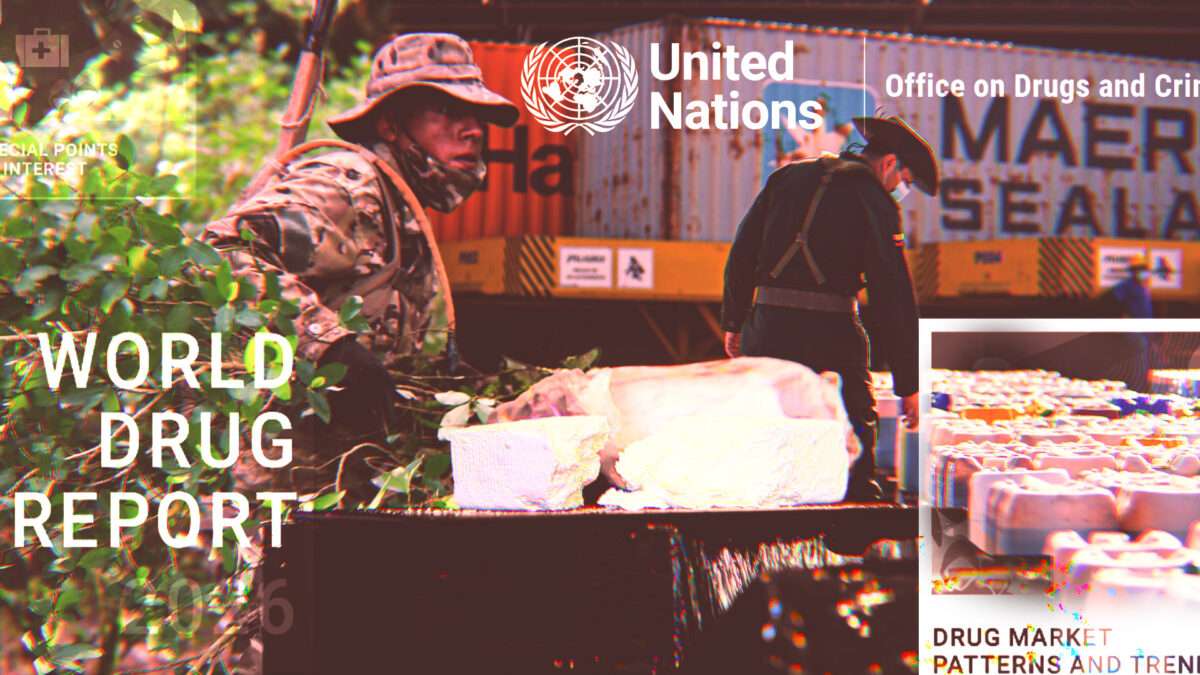
The United Nations' World Drug Report reveals a blunt reality: the global war on drugs has failed to stem the supply and consumption of narcotics. Drug production, trafficking, and use continue expanding despite decades of enforcement spending and international cooperation.
The report documents record production levels of cocaine and heroin alongside a surge in synthetic drug manufacturing, particularly fentanyl and methamphetamine. Cartels operate with increasing sophistication across multiple continents. Demand for drugs remains steady or growing in developed nations while emerging rapidly in developing countries that previously saw lower addiction rates.
This outcome challenges the core assumptions underlying drug prohibition policy. Countries have invested billions in interdiction, prosecution, and incarceration without reversing the underlying market dynamics. Supply disruption efforts routinely fail because destroying one production source simply shifts operations elsewhere or allows competitors to fill the gap. Meanwhile, enforcement costs drain public resources from treatment and prevention.
The report suggests several factors explaining this persistent failure. Drug markets offer enormous profit margins that motivate criminal organizations to absorb losses and adapt tactics. Poverty and instability in production regions create economic incentives for cultivation that outlaw alternatives. Rising addiction in wealthier nations sustains demand that cartels readily supply. Law enforcement alone cannot address these structural drivers.
Some countries have experimented with alternatives to pure prohibition. Portugal decriminalized personal drug use while investing heavily in treatment, reducing overdose deaths and HIV transmission rates. Switzerland's supervised consumption programs lowered street drug use. These approaches treat addiction as a health issue rather than purely a criminal one.
The UN report's implicit conclusion troubles policymakers committed to traditional enforcement: the drug war has become a permanent feature of governance rather than a winnable conflict. Cartels now possess resources rivaling small nations. Production technology improves constantly. Global supply chains remain resilient.
This reality forces policymakers to confront uncomfortable questions about strategy. Continuing current approaches means accepting ongoing