The Federal Communications Commission announced plans to repeal the national broadcast ownership cap, sparking opposition from both Republican and Democratic lawmakers who question the Trump administration's authority to make the change unilaterally.
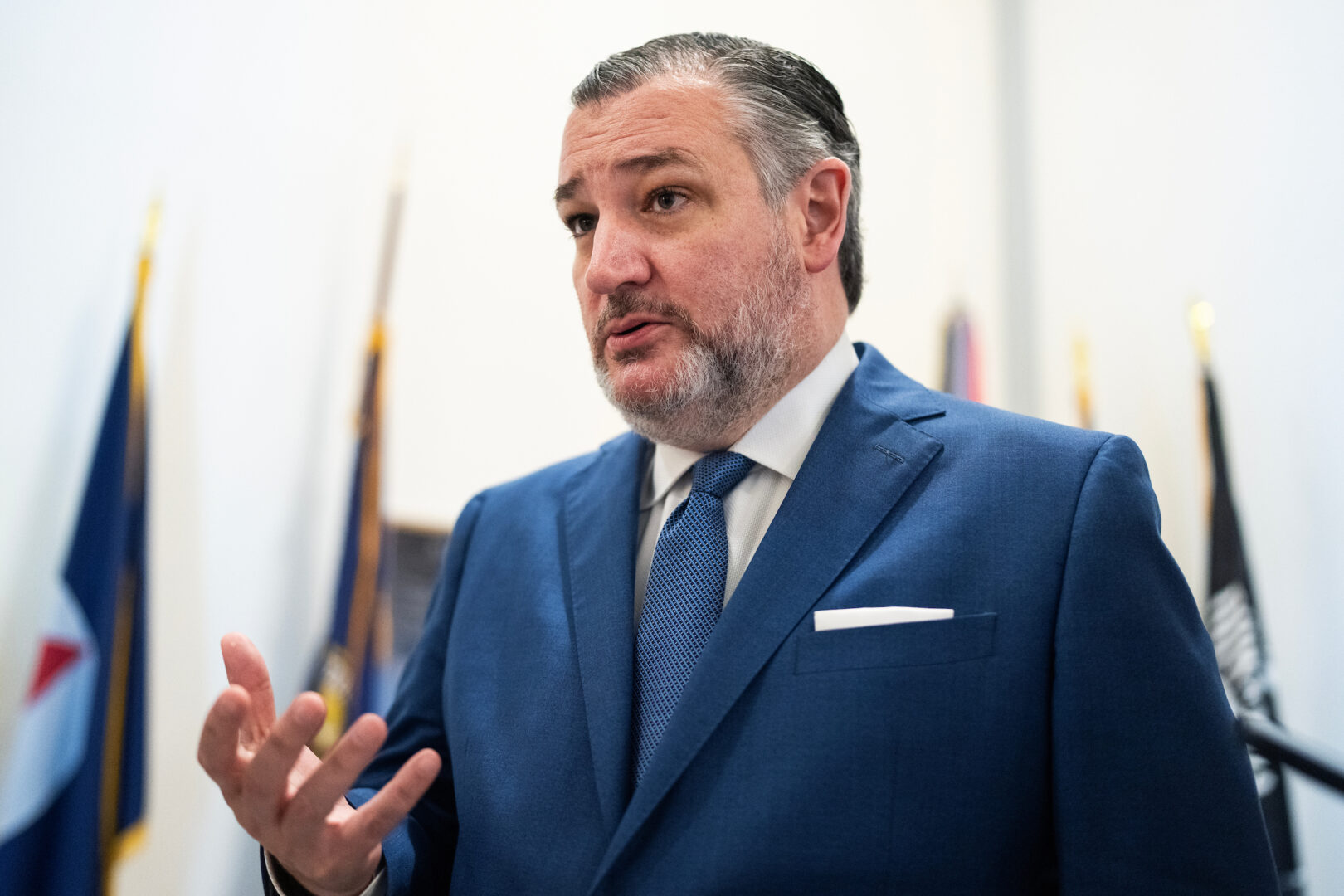
FCC Chair Brendan Carr initiated the move to allow greater consolidation in local television markets. Senate Commerce Chairman Ted Cruz, a Texas Republican, pushed back against the FCC's approach, arguing that Congress holds the power to modify ownership rules, not the agency alone. Democrats joined the criticism, fearing that repealing the cap would concentrate media ownership among fewer corporations and reduce local news coverage.
The national broadcast ownership cap currently limits the percentage of U.S. television households that a single company can reach through its owned-and-operated stations. The Trump administration views the restriction as outdated regulation that hampers media companies' competitiveness. Industry groups have long lobbied to lift the cap, contending it prevents American broadcasters from competing with streaming giants like Netflix and Amazon.
Cruz's intervention reveals fractures within Republican ranks on regulatory matters. While the Trump administration prioritizes deregulation, the Senate Commerce Committee chairman asserts Congress must approve any changes to foundational media rules. This position carries weight given his committee's jurisdiction over FCC policy.
Democrats oppose the repeal on consumer protection grounds. They argue that fewer media owners translates to less diverse viewpoints reaching local communities and reduced investment in local journalism. Some Democratic senators have suggested Congressional action to preserve the cap permanently.
The FCC vote represents a broader Trump-era push to eliminate regulations the administration views as economically restrictive. However, the unified opposition from Cruz and Democrats creates a path for Congressional intervention if the FCC follows through. Any repeal could face legislative challenges, particularly if Democrats regain control of either chamber.
The outcome carries implications for local news viability and media ownership concentration as traditional broadcasting faces disruption from digital competitors.