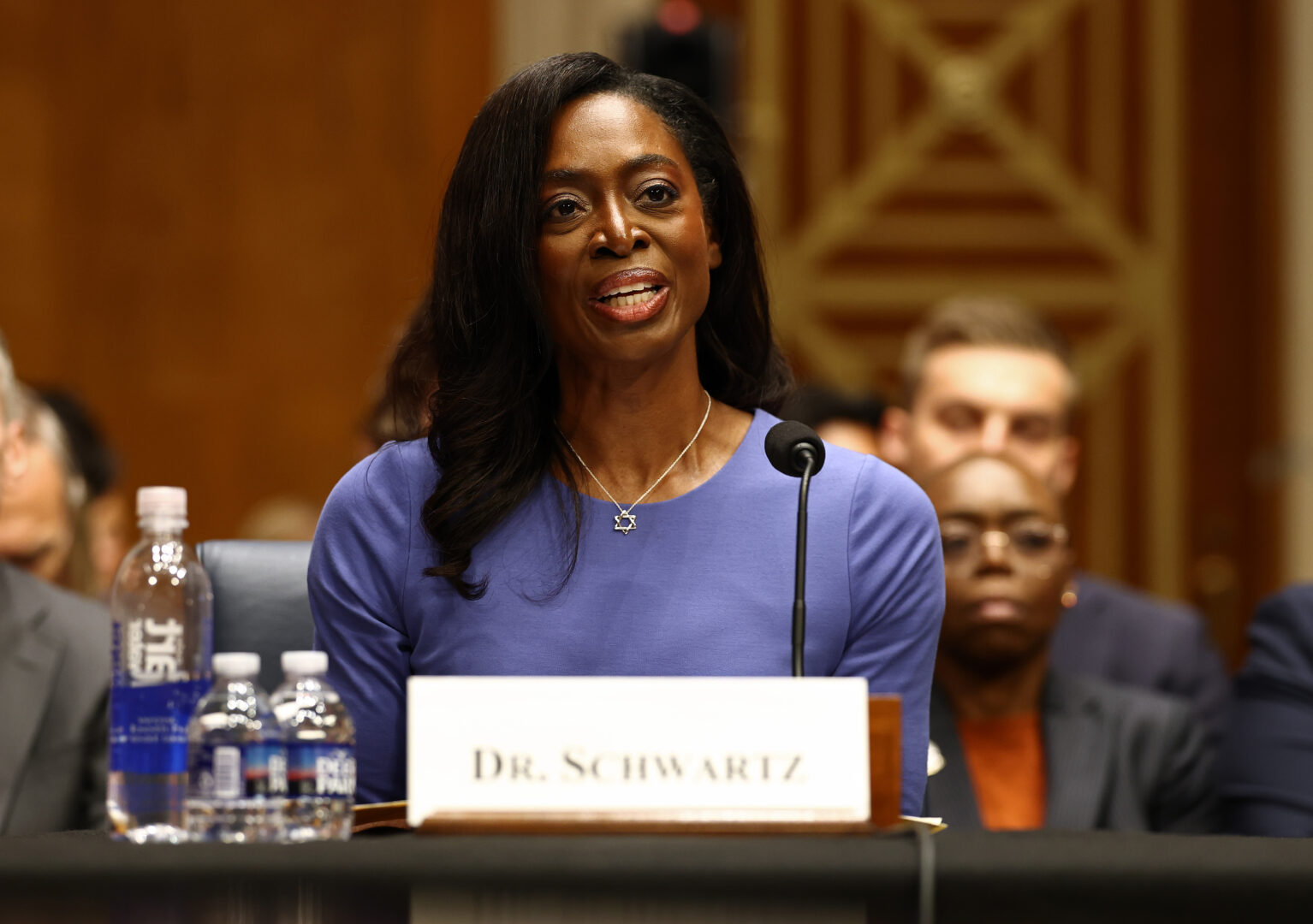
Erica Schwartz, Trump's nominee to lead the Centers for Disease Control and Prevention, navigated a delicate confirmation hearing Wednesday before the Senate Health, Education, Labor and Pensions Committee. Schwartz emphasized her commitment to restoring public confidence in the CDC, an agency facing widespread skepticism after pandemic-era decisions.
Vaccines dominated the questioning. Schwartz faced pressure from senators concerned about her previous service under Robert F. Kennedy Jr., Trump's pick to lead the Department of Health and Human Services. Kennedy has promoted vaccine skepticism for years, raising alarms among public health advocates and Democrats.
Schwartz attempted to distance herself from any anti-vaccine agenda while acknowledging her work with Kennedy. She stressed that her leadership would prioritize scientific evidence and the CDC's core mission of protecting Americans from disease. She did not commit to specific positions on vaccine mandates or rollback of existing immunization programs, instead emphasizing the need to rebuild institutional credibility.
Republican senators focused on CDC overreach during the COVID-19 pandemic, particularly mask and vaccine mandates they characterized as scientifically unfounded. Democratic senators pressed Schwartz on whether she would maintain confidence in established vaccines and resist pressure from Kennedy to undermine vaccination campaigns.
Schwartz's confirmation matters significantly. The CDC director shapes national public health policy, vaccine recommendations, and disease surveillance. If confirmed, she would oversee the agency during a period of institutional turbulence and declining public trust. Kennedy's elevation to HHS secretary amplifies concerns about potential pressure campaigns against vaccines.
The hearing reflected broader tensions within Trump's second administration. Kennedy's anti-vaccine views clash with the CDC's foundational mission. Schwartz's nomination tests whether someone can lead the agency while maintaining ties to figures skeptical of vaccines. Her ability to separate scientific judgment from political influence will determine whether the CDC can rebuild credibility with both skeptics and the broader medical establishment.